
Make a working note: Prepare a coverage and access enquiry
Healthcare
For healthcare in Costa Rica, compare CCSS/Caja public care, private care, or a combination of both. Confirm enrollment or insurance requirements, payment arrangements and the services available near your intended home. Planning a visit specifically for treatment? Start with our Medical Travel guide.
Independent planning resource · Verify changing requirements with primary sources

In this guide
Scope: Early-stage relocation planning. Healthcare rules, providers, costs, insurance terms, and access can change.
Planning a visit for care? Use our Costa Rica Medical Travel guide to prepare questions about assessment, written estimates, accommodation, transport and follow-up. Confirm the exact service and location with the provider before booking.
The key is to plan at the town level, not only the country level. Availability, language support, wait times, coverage, and costs vary by location and personal circumstances, so healthcare should be part of your region shortlist from the beginning.
Public, private or combined care
- CCSS/Caja: Public care funded through social-insurance contributions, with access through local clinics, regional facilities, and public hospitals.
- Private care: Paid directly or through private or international insurance, with provider choice and availability that varies by region.
- Combined approach: Some residents use CCSS for public coverage and private care for selected appointments, diagnostics, or specialist access.
Healthcare Fit and Continuity Card
Healthcare planning should be local, personal, and redundant, especially for retirees and people with ongoing care needs.
- Confirm nearby EBAIS, clinics, hospitals, pharmacies, specialists, emergency routes, and appointment realities.
- Compare Caja/CCSS, private insurance, self-pay, and hybrid care for your age, medications, Spanish level, and conditions.
- Carry a medication list, diagnoses, allergies, physician contacts, and translated summaries for important conditions.
CCSS public healthcare
The Caja Costarricense de Seguro Social operates Costa Rica’s public healthcare and social-security system. Care is organized through local primary-care teams and clinics, regional services, and public hospitals.For a prospective resident, the practical questions include:- When and how would you enroll?
- How would your contribution be calculated?
- Which EBAIS or clinic would serve your address?
- Where is the nearest public hospital?
- How are referrals and specialist appointments handled locally?
- What wait times are realistic for the care you may need?
- What documents must you keep current?
Private healthcare
Costa Rica also has private clinics, hospitals, laboratories, pharmacies, and specialists. Private care may offer faster scheduling or more provider choice, but access is not uniform across the country.Ask:- Is the service available in the town, or would you travel to the Central Valley or another city?
- Does the clinician or facility communicate in a language you understand?
- Is the provider included in your insurance network?
- Are pre-existing conditions, age limits, deductibles, waiting periods, or exclusions relevant?
- Would you pay first and seek reimbursement?
- What happens during an emergency outside normal clinic hours?
Comparing three approaches
| Consideration | CCSS public care | Private care | Combined approach |
|---|---|---|---|
| Payment | Social-insurance contribution | Out of pocket or insurance | Both contribution and selected private costs |
| Provider choice | Based on public network and referral pathways | Depends on provider availability and insurance | More flexibility, with added complexity and cost |
| Wait times | Vary by service, urgency, and location | May be faster for available services | Private care may fill selected access gaps |
| Geography | National public network, with local variation | More concentrated in larger population centres | Requires advance planning by region |
| Language | Spanish should be expected | English may be available, but never assume | Plan for translation or bilingual support where needed |
| Best use | Depends on eligibility, needs, and local access | Depends on budget, coverage, and local providers | Depends on health needs and ability to manage two systems |
Check travel time and access to care from your intended home
The strongest concentration of major hospitals and specialists is around the Central Valley. Other regions have public facilities and private services, but the range of specialties, diagnostics, emergency capacity, transport options, and English-language support can differ substantially.For every town on your shortlist, map:- the nearest primary-care option;
- the nearest emergency department;
- the facility you would use for ongoing specialist care;
- realistic travel time in normal and difficult conditions;
- a backup plan if the closest service cannot meet the need.
Check access for your specific town
Ask the local CCSS office which primary-care team serves your address and how referrals work for the services you need. Confirm appointment availability with the clinic; a national network does not tell you how quickly you can obtain a particular service locally.
For private care, confirm the facility’s current location, the service available there and its after-hours arrangements. Ask both the provider and your insurer about your exact policy, pre-authorization, direct billing and any payment required upfront. A familiar hospital name does not establish insurance coverage.
The Government of Canada’s Costa Rica travel advisory notes that private facilities are mainly in San José, public hospital waits can be long and emergency services may be limited in rural areas. Ask your treating team where you would be transferred if the nearby facility cannot provide the care you need, and check transport and evacuation coverage. Do not use a single estimated driving time as an emergency plan.
A note for Canadian readers
Before a long stay or move, ask your provincial or territorial health plan how your absence affects eligibility, what it would reimburse outside Canada and whether planned care requires advance approval. Health Canada’s coverage guidance explains that reimbursement for emergency care abroad may cover only part of the cost and recommends private insurance. Planned treatment, ongoing conditions and a move abroad require specific coverage questions; ordinary travel insurance may not meet those needs.
Confirm Costa Rican enrollment requirements for your residency situation directly with CCSS or a qualified local professional.
Access and Canadian-coverage guidance source-checked September 30, 2026. Other sections retain their stated review date.
Medication and ongoing-care planning
Before relocating:- list your prescriptions by generic and brand name;
- ask whether the same medication and dosage are available locally;
- learn whether a local prescription is required;
- identify how refrigerated or controlled medicines would be handled;
- bring relevant medical summaries and test results;
- ask how follow-up care would be coordinated;
- plan for dental, vision, hearing, mobility, and rehabilitation needs as well as hospital care.
Check the official CCSS medication list by ingredient, strength and formulation, then confirm prescribing criteria and availability with the treating team. Non-listed medicines may require a separate authorization process; neither a listing nor an authorization guarantees local stock.
Do not stop, substitute, or stockpile medication without advice from qualified clinicians and the relevant authorities.
Insurance questions to answer in writing
If you are considering private or international insurance, obtain written answers about:- eligibility and age limits;
- pre-existing-condition rules;
- waiting periods and exclusions;
- deductibles, co-insurance, and annual limits;
- local provider networks;
- emergency transport;
- care outside Costa Rica;
- evacuation or repatriation;
- claims and reimbursement procedures;
- renewal and premium-change rules.
Questions to confirm before arranging healthcare in Costa Rica
- CCSS enrollment and contribution process
- Assigned or nearest public clinic and hospital
- Private clinic, hospital, laboratory, and pharmacy access
- Required specialists and realistic travel time
- Medication availability and prescription rules
- Language and interpretation needs
- Insurance exclusions, deductibles, and provider network
- Emergency transport and after-hours plan
- Backup plan for complex or unavailable care
Next step
Use the Costa Rica regions comparison to shortlist possible locations, then evaluate healthcare access at the town level before making a housing commitment.This page provides general information, not medical, insurance, legal, or relocation advice. Confirm current details with CCSS, insurers, healthcare providers, and qualified Costa Rican professionals.Frequently Asked Questions
Is healthcare in Costa Rica good for retirees?
Costa Rica can be a strong healthcare fit for many retirees, especially those who plan carefully around location, medications, specialist needs, insurance, and emergency access. The right answer depends on your health profile and the town you choose.
Do expats use public or private healthcare in Costa Rica?
Some legal residents use CCSS public healthcare, some use private care, and many use a combination. The best approach depends on eligibility, budget, location, wait-time tolerance, and medical needs.
Should I choose a Costa Rica town based on healthcare access?
Yes, healthcare access should be part of your region decision, especially if you need specialists, regular prescriptions, mobility support, or reliable emergency care. Compare actual clinics, hospitals, travel times, and language support before committing to housing.
Can I rely on Medicare in Costa Rica?
Medicare’s official overseas guidance explains its limited exceptions; it generally does not provide routine coverage in Costa Rica. Retirees should confirm current rules and consider how they would pay for routine care, emergencies, private insurance, and care back in the United States if needed.
What should I check before moving with ongoing medical needs?
Ask your treating team to help plan medicines, specialists, diagnostics, medical records and backup care for the transition. Confirm local availability, emergency transport and insurance separately. Use the medicine and travel preparation questions on Fruitful Years for the supply discussion; keep private records with the professionals who need them.
Sources and further reading
- Caja Costarricense de Seguro Social
- U.S. Embassy in Costa Rica — Medical assistance and provider information
Healthcare planning links: Compare care access by region in our Costa Rica regions guide, review medical and dental due diligence, and read health insurance options for expats over 60 before choosing where to settle.
Prepare a coverage and access enquiry
Leave with one recorded question, the evidence you have and a next action. Unknown is a useful answer; a completed note does not confirm eligibility, suitability or an arrangement.
Fictional example: A quoted plan names a hospital network, but direct billing at my chosen hospital is unconfirmed. Next: ask both the insurer and hospital before relying on it.
Write and download a working note
Keep entries general. Do not enter account numbers, identification numbers, health details, phone numbers or access codes. Use private records and the recipient’s agreed channel for sensitive information.
Off by default. Without saving, entries disappear on reload. Saved notes can be seen by anyone using this browser profile. Download for use elsewhere. This note has no submission button; ordinary site analytics still apply.
Download your notes before leaving.
Clear these entries and their saved copy in this browser?
Earlier source-review context
Free Costa Rica Planning Kit
Make your scouting trip answer the questions that matter.
Two-Base Scouting Record
- Record each base’s conditions, quotes and everyday routines.
- Compare two bases using the same observation prompts.
- Record observations and follow-up actions before choosing a home.
Regional Budget & Cost-of-Living Worksheet
- Compare three regions using your own current quotes.
- Separate monthly costs, moving expenses and reserves.
- Track source dates and test a higher-cost scenario.
Download the PDFs and CSV templates now
Optional: enter your email to request the same resources. Your email is recorded privately for this request; this does not enroll you in marketing emails.
Prefer not to enter an email? Open the download hub. Privacy policy. Planning tools, not individual professional advice.
Continue with these planning guides
Planning everyday routines alongside access to care? Read the Costa Rica guide to aging well in a tropical climate.

Health Insurance Options for Expats Over 60
Over 60 and moving to Costa Rica? Compare CCSS (Caja) eligibility, private-policy terms and coverage start dates. Work through six questions before you commit.
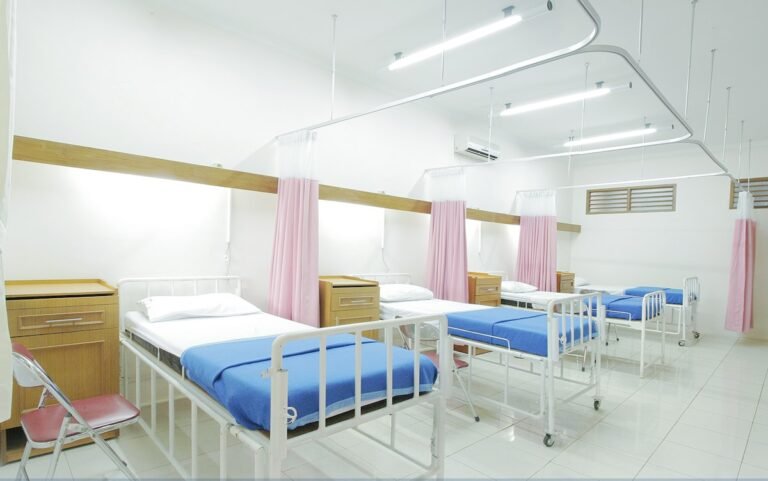
Choosing a Hospital in Costa Rica: Access, Insurance and Care
Research Costa Rica hospitals and clinics by region, services, emergency access, insurance compatibility and questions to verify before choosing care.
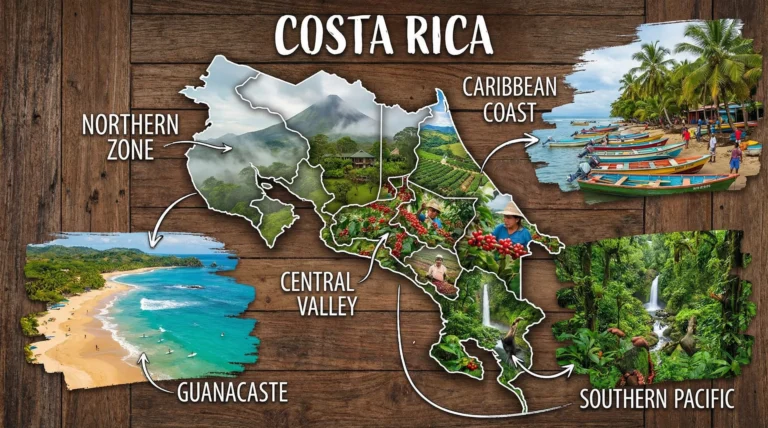
Regions
Compare six Costa Rica planning areas by climate, access to services, transport and lifestyle. Shortlist regions, then explore town and local planning guides.