

Medical and Dental Care in Costa Rica: A Due-Diligence Guide
Costa Rica may offer lower quoted prices for some dental and medical procedures, but the headline fee is only one part of a smart decision. A sound comparison includes the clinician, facility, treatment plan, travel, recovery, follow-up, insurance exclusions, and the cost of handling a complication.
Independent planning resource · Verify changing requirements with primary sources
Click or tap to explore this guide
This guide is a due-diligence framework for people considering planned care in Costa Rica. It does not recommend a particular procedure, clinician, clinic, or hospital.
Start with the whole episode of care
Before comparing prices, request a dated written treatment plan and itemized estimate from each provider. Ask whether the proposals cover equivalent procedures, materials or devices, diagnostics, anesthesia, medicines and follow-up. Keep each revision with its date and ask which version replaces the earlier quote. Do not compare an old headline price with a newer, differently scoped proposal.
| Cost or risk to compare | Questions to ask |
|---|---|
| Clinical work | What procedure, tests, materials, anesthesia, medications, and follow-up are included? |
| Travel and recovery | How many days must you remain nearby, and will you need a companion, hotel changes, or accessible transportation? |
| Aftercare | Who handles routine follow-up after you return home, and has that clinician agreed to do so? |
| Complications | Who pays for emergency care, extra nights, revisions, changed flights, or medical evacuation? |
| Insurance | Does your policy cover a planned procedure, complications, or evacuation? Get the answer in writing. |
| Time | What is the value of time away from work, caregiving, or other obligations? |
Government of Canada guidance warns that complications and unplanned aftercare can eliminate expected savings, and that provincial plans and many travel policies may not cover planned treatment abroad or its consequences.
Healthcare Fit and Continuity Card
Healthcare planning should be local, personal, and redundant, especially for retirees and people with ongoing care needs.
- Confirm nearby EBAIS, clinics, hospitals, pharmacies, specialists, emergency routes, and appointment realities.
- Compare Caja/CCSS, private insurance, self-pay, and hybrid care for your age, medications, Spanish level, and conditions.
- Carry a medication list, diagnoses, allergies, physician contacts, and translated summaries for important conditions.
Verify the clinician and facility
Do not rely only on a clinic website, testimonial, concierge, or social-media recommendation. Verify key facts independently:
- Dentists: search the official Colegio de Cirujanos Dentistas directory for the professional’s name, status, and recognized specialty.
- Physicians and surgeons: check the Colegio de Médicos y Cirujanos directory for active professional status and specialty.
- Facility: ask for evidence that the location is authorized for the services it provides. Costa Rica’s Ministry of Health explains the habilitation requirement for health-service facilities.
- Procedure: ask who performs each part, where anesthesia is delivered, what emergency equipment is available, and which hospital receives transfers.
International accreditation can be another useful signal, but the CDC cautions that accreditation does not guarantee a good outcome.
For a dental visit, follow our step-by-step Costa Rica dental registration checks.
Ask for a written clinical and financial plan
Before paying a deposit, request plain-language answers to these questions:
- What diagnosis supports the proposed treatment, and what alternatives were considered?
- What are the clinician’s relevant qualifications and recent experience with this procedure?
- Which brand and model of implant, crown, device, or material will be used?
- What is included in the quote, and what could create extra charges?
- What complications are most relevant to your situation, and how are they handled locally?
- How long should you remain near the facility before flying?
- What records, imaging, laboratory results, and operative notes will you receive?
- Who can be contacted after hours, and who coordinates follow-up after you return home?
Be cautious if a provider will not identify the treating clinician, discourages an independent opinion, promises a guaranteed outcome, pressures you to pay quickly, or markets major treatment as a vacation package.
Use the dental quote comparison guide to organize unanswered items, then clarify deposit, cancellation and guarantee terms before paying.
Plan for travel-related medical risks
All procedures carry risk. International travel can add infection-control, communication, continuity-of-care, and post-procedure travel issues. The CDC recommends discussing the plan with your regular clinician and, where appropriate, a travel-medicine professional before departure. It also advises arranging follow-up in advance and obtaining complete medical records before returning home.
Do not assume ordinary vacation activities fit safely into recovery. Flying, long car rides, alcohol, swimming, sun exposure, strenuous activity, and tours may be restricted depending on the procedure and your health. The treating clinician should give individualized written instructions.
Build the follow-up plan before booking
Plan continuity of care before travel:
- Ask your regular clinician whether the proposed travel and treatment raise concerns for you.
- Identify who will provide routine follow-up at home and confirm that they are willing to do it.
- Decide where you would seek urgent care in Costa Rica and after returning home, including which hospitals or clinics would be realistic for your treatment location.
- Carry an updated medication, allergy, diagnosis, and emergency-contact list.
- Arrange to receive records in a usable language and format.
- Keep a financial reserve for delayed travel, extra accommodation, and uncovered care.
Our sister site Fruitful Years provides a records handover guide and message to send the clinic. Ask the receiving clinician which records they need and how to share them securely.
A practical decision rule
A lower quote may represent good value, but only after you can verify the clinician and facility, compare equivalent treatment plans, understand the risks, and fund realistic aftercare. If the plan works only when nothing goes wrong, it is not a complete plan.
For broader planning, see our guide to healthcare in Costa Rica and compare Costa Rica regions before choosing a treatment location.
Sources and review note
- CDC Yellow Book: Medical Tourism
- Government of Canada: Travelling outside Canada to receive medical care
- Government of Canada: Costa Rica travel advice
- Costa Rica Ministry of Health: Habilitation of health services
- Colegio de Cirujanos Dentistas: Professional directory
- Colegio de Médicos y Cirujanos: Professional directory
Reviewed August 2026. General educational information only; not medical or financial advice. Discuss personal medical decisions with qualified clinicians and confirm current facility, professional, insurance, and travel requirements directly.
Frequently Asked Questions
Is medical tourism in Costa Rica always cheaper?
Not always. Compare the full episode of care, including travel, recovery, follow-up, medications, insurance exclusions, and complication planning.
How should I compare clinic quotes?
Ask for written plans that describe the same procedure, materials, diagnostics, anesthesia, medications, follow-up, and revision policy.
Which planning gaps should I address?
Clarify follow-up, complication arrangements and the full price before committing. Ask qualified clinicians about the medical risks specific to your treatment and health.
Continue with these planning guides

Health Insurance Options for Expats Over 60
Over 60 and moving to Costa Rica? Compare CCSS (Caja) eligibility, private-policy terms and coverage start dates. Work through six questions before you commit.

Choosing a Hospital in Costa Rica: Access, Insurance and Care
Research Costa Rica hospitals and clinics by region, services, emergency access, insurance compatibility and questions to verify before choosing care.
Regions
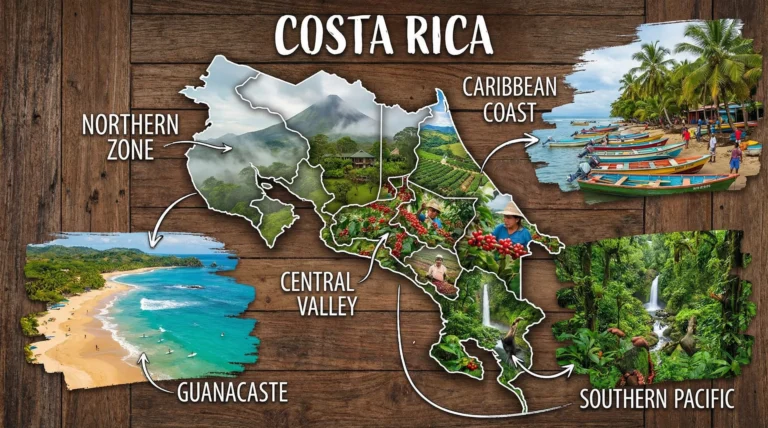
Compare six Costa Rica planning areas by climate, access to services, transport and lifestyle. Shortlist regions, then explore town and local planning guides.