
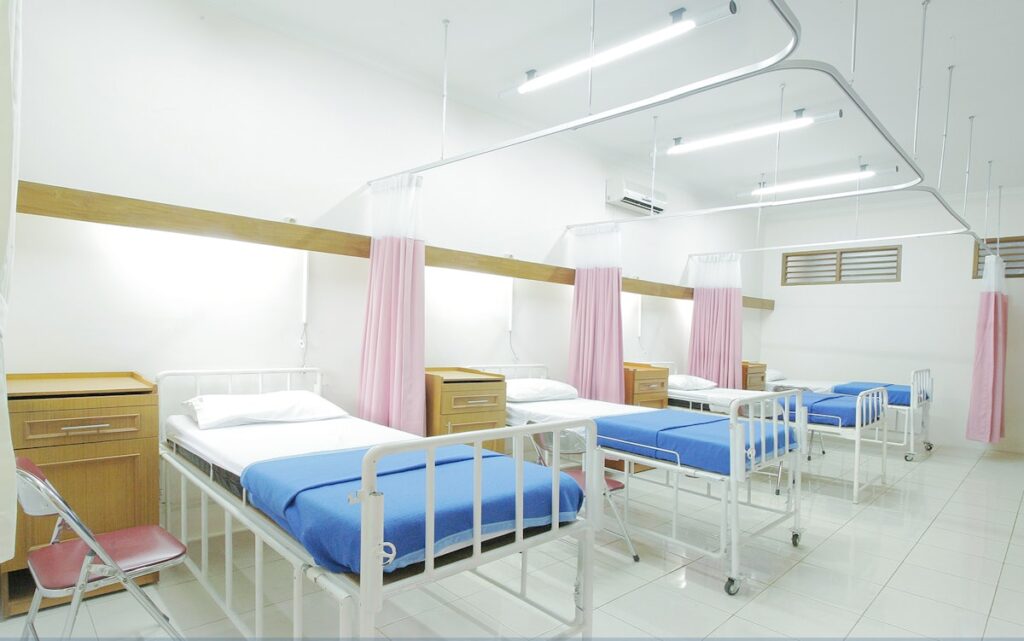
Well-equipped medical clinic in Costa Rica recommended by the expat community for quality care

Top Hospitals and Clinics Recommended by Expats


TL;DR

  • Costa Rica offers high-quality healthcare through both public and private systems.
  • Private hospitals in San José are highly regarded by expats for accessibility and services.
  • Health insurance is strongly recommended for expats to mitigate costs and access private care.
  • Knowing how to navigate emergencies and healthcare facilities is key for a smooth expat experience.
  • This guide provides practical, researched info and reliable resources tailored for expats.

What is Healthcare Like in Costa Rica for Expats?

Costa Rica is often celebrated for its robust healthcare system, which combines high-quality medical services with broad accessibility—an appealing prospect for many expats seeking reliable care abroad. The country operates a two-tier system: the public healthcare network known as Caja Costarricense de Seguro Social (commonly called “La Caja”) and a private sector that caters to those desiring faster or more specialized treatment. Understanding how these options function in practice is essential for expats planning their move or managing ongoing health needs.

Quality and Accessibility of Healthcare Services

Costa Rica ranks highly in Latin America for healthcare quality, with many doctors trained internationally or locally at respected institutions such as the University of Costa Rica’s medical school. Public hospitals and clinics under La Caja deliver comprehensive primary and specialist care at minimal or no cost to legal residents, including expats who contribute to the social security system. In terms of infrastructure, urban centers like San José and coastal hubs offer modern facilities, while more rural areas may have limited resources.

For example, an expat I spoke with shared how routine check-ups and chronic condition management through La Caja were consistently handled with professionalism and thoroughness. Although some advanced procedures might require travel to larger hospitals, preventive care and common medical issues are well-covered. Many private hospitals, such as CIMA San José, are internationally accredited and staffed by bilingual physicians, making private care a comfortable choice for expats requiring expedited services or preferring English communication.

A top-rated Costa Rica hospital recommended by the expat community for quality care

Language Considerations and Communication

Language can be a minor hurdle but rarely a major barrier. While many Costa Rican healthcare professionals speak basic English, especially in private clinics and hospitals popular with expats, the public system primarily operates in Spanish. Expats with limited Spanish often report that bringing a bilingual friend or hiring a translator eases appointments and reduces misunderstandings.

From expat forums, a common practical tip emerges: learning key medical terms in Spanish ahead of time fosters confidence during medical visits. For instance, an expat in Tamarindo noted that her initial fears about communicating complex symptoms were eased after attending a local Spanish class focused on healthcare vocabulary—great preparation that improved her interactions at the public clinic.

Wait Times and Patient Experience

Wait times within the public system can vary significantly depending on the service and location. Many expats acknowledge longer waits for non-urgent specialist appointments or elective procedures but find general consultations relatively prompt. In contrast, private providers offer much shorter wait times, sometimes enabling same-day visits.

One research-backed insight from expat communities highlights that patience and flexibility are vital when navigating La Caja. For example, a recently retired couple shared that while initial specialist appointments took several weeks, follow-up care and medication access were seamless once they were in the system. They recommended registering with a local clinic early and establishing a good rapport with staff to facilitate smoother care over time.


In sum, Costa Rica’s healthcare system offers expats a dependable blend of quality and affordability, tempered by the occasional need for Spanish proficiency and scheduling patience. Whether choosing public or private care, many expats find the country’s medical environment welcoming and professionally gratifying, making it a cornerstone of their successful transition to life abroad.

How Does Public Healthcare Compare to Private Healthcare in

Navigating healthcare options is often one of the biggest concerns for expats settling in Costa Rica. Understanding the differences between public and private healthcare—especially in terms of cost, quality, wait times, and language support—can help you make an informed decision tailored to your needs. Below is a side-by-side comparison followed by an in-depth look at the public system’s structure and practical advice on the pros and cons of each option.

AspectPublic Healthcare (Caja/CCSS)Private Healthcare
CostModest monthly contribution (~$60–$100 for expats, depending on income)Significantly higher; out-of-pocket fees or private insurance needed
QualityHigh standard in urban and hospital settings, but varies by locationGenerally excellent; newer facilities and modern equipment
Wait TimeCan be long for specialists and elective proceduresMinimal wait times; appointments typically within days
Language SupportEnglish proficiency varies by staff and region; more common in urban centersMany doctors and staff speak English; bilingual services standard in private clinics

Understanding the Caja Costarricense de Seguro Social (CCSS)

The public healthcare system in Costa Rica, known locally as the Caja Costarricense de Seguro Social (CCSS), is a cornerstone of the country’s renowned social safety net. Every legal resident, including expats, can enroll in this system, colloquially called “the Caja.” Through monthly contributions that are usually income-based, individuals gain access to comprehensive healthcare services—from primary care to hospital stays—at very affordable rates. For example, an expat couple living in the Central Valley region shared on an expat forum that their monthly CCSS contribution combined was under $150, granting them coverage for doctor’s visits, lab tests, and emergency care. They also praised the accessibility of routine care but noted that specialist referrals often involved waiting several weeks to months, reflecting a common experience.

Pros and Cons for Expats Considering Public vs. Private

Public Healthcare (CCSS) Pros:

  • Affordable monthly costs and very low fees for visits and medications.
  • Access to a broad network of clinics and hospitals nationwide.
  • Excellent emergency and maternity care services.
  • Integration with Costa Rica’s social services, providing added peace of mind for long-term residents.

Public Healthcare Cons:

  • Longer wait times for specialist appointments and non-urgent procedures.
  • Language barriers can be challenging, especially in rural areas.
  • Facilities may feel dated compared to private clinics.

Private Healthcare Pros:

  • Quick appointment scheduling and shorter wait times.
  • Modern clinics and hospitals with the latest medical technology.
  • Greater availability of English-speaking doctors and personalized care.
  • Ideal for those who want immediate access to specialists or elective procedures.

Private Healthcare Cons:

  • Costs can be prohibitive without private insurance.
  • Often requires upfront payment, with reimbursement processes that can be cumbersome.
  • May lack the comprehensive coverage network of the Caja for chronic or emergency care.

Ultimately, many expats adopt a hybrid approach—using the public system for routine and emergency care while relying on private services for specialist consultations and elective treatments. This combination can optimize both cost savings and quality of care, depending on individual health needs and financial considerations.

What Are the Best Private Hospitals and Clinics in San José

When it comes to healthcare in Costa Rica, private hospitals and specialty clinics stand out for their high standards, modern facilities, and compassionate care—qualities particularly valued by the expat community. San José, as the capital, naturally hosts the largest concentration of top-tier private healthcare institutions, while key locations outside the city also offer excellent options for those seeking specialized or more tranquil medical environments.

Top-Rated Private Hospitals in San José

Among the private hospitals in San José, one consistently praised by expats is CIMA Hospital . Known for its state-of-the-art technology and internationally trained medical staff, CIMA stands out not only for general medical and surgical care but also for its extensive range of specialties including cardiology, orthopedics, and oncology. Expat testimonials frequently highlight the hospital’s patient-centered approach, bilingual staff, and modern emergency services.

CIMA’s affiliation with top U.S. medical institutions ensures that protocols and equipment meet international standards, offering peace of mind for those accustomed to high-quality healthcare. Another notable mention in San José is Hospital Clínica Bíblica , a private institution with a longstanding reputation in Costa Rica. It offers comprehensive services including advanced diagnostics, elective surgeries, and rehabilitation programs.

This hospital is particularly favored for its robust insurance network, making it easier for expats with international health plans to access care without hassle.

Specialty Clinics and Services Favored by Expats

For more specialized outpatient services, San José features clinics like the Lux Medical Center, which caters to expats seeking dental, dermatological, and cosmetic procedures. These clinics underscore a practical aspect of private healthcare in Costa Rica — accessibility combined with competitive pricing and personalized care.

Notable Healthcare Facilities Outside San José

For expats living outside the capital, notable private facilities exist in cities such as Escazú and Heredia. The Pacific Hospital in Escazú is gaining recognition as an expanding medical complex offering emergency care, maternity services, and specialized consultations. Its location in a popular expat suburb makes it a convenient and trusted choice for families and retirees alike.

Similarly, in Heredia, the Hospital Metropolitano offers a full spectrum of healthcare services, underscored by international certification and multilingual staff. This facility attracts those who prefer a quieter environment while maintaining access to excellent medical care.

Why International Affiliations Matter

Many of these private hospitals maintain partnerships or certifications aligned with U.S. or European healthcare standards. This international affiliation is a crucial factor in their reputation among expats, as it guarantees adherence to stringent medical protocols and fosters trust. It also facilitates seamless referrals or second opinions with specialists abroad when necessary.

Expat Community Insights

Based on expat forums and local insights, the consensus is clear: choosing a private hospital or clinic in Costa Rica’s key urban centers means balancing quality, convenience, and affordability. While large hospitals like CIMA and Clínica Bíblica serve complex needs efficiently, smaller specialty clinics provide excellent care for routine or elective treatments. Moreover, outside the urban core, newer facilities such as Pacific Hospital and Hospital Metropolitano offer a welcomed blend of modern healthcare in settings favored by expats for lifestyle reasons. In summary, for reliable, high-quality private healthcare options in Costa Rica, San José remains the hub, complemented by excellent facilities in Escazú and Heredia that cater to the diverse needs of the expat community.

Is Healthcare in Costa Rica Affordable Compared to Other

When evaluating healthcare affordability in Costa Rica, it’s essential to consider the full spectrum of services available through both public and private channels. In the public system, known as the Caja Costarricense de Seguro Social (CCSS), routine doctor visits can cost as little as $5–$10, while more specialized procedures remain significantly subsidized for residents. For example, a standard dental cleaning through the public sector often falls under $30, a stark contrast to prices frequently exceeding $150 in the United States.

In the private sector, costs are naturally higher but still competitive. An outpatient specialist consultation typically ranges between $50 and $100, depending on the clinic and city. Minor surgical procedures, such as cataract surgery, have been reported around $1,500 in private hospitals—often less than half the cost of comparable care in North America or Europe.

A concrete case shared by an expat on a local forum recounted undergoing a hernia repair in a reputable San José private hospital for approximately $2,000, including anesthesia and follow-up visits—an eye-opening figure compared to their home country expenses. However, it’s important to recognize that healthcare costs in Costa Rica can vary widely based on several factors. The location of the facility (urban vs. rural), whether the patient is part of the national insurance system or paying out-of-pocket, and the specific provider’s pricing policies all influence final expenses.

These variables mean it’s prudent to always confirm current pricing directly with healthcare providers ahead of treatment. Prices may also shift due to changes in exchange rates or economic conditions. When placed in the broader international context, Costa Rica’s healthcare remains remarkably affordable.

While public services provide an accessible baseline for residents—especially expatriates enrolled in the Caja system—the private sector offers high-quality care at prices generally lower than those commonly found in the U.S., Canada, and much of Europe. This blend of cost-effectiveness, quality, and accessibility contributes significantly to the country’s growing popularity as a medical tourism destination and retirement haven.

Do Expats Need Health Insurance in Costa Rica

When considering a move to Costa Rica, securing health insurance isn’t just a prudent choice—it’s often a legal and practical necessity. For expats, understanding the landscape of Costa Rican health coverage options can make a significant difference in both access to care and peace of mind.

Why Expats Should Have Health Insurance

Legally, many expats who establish residency in Costa Rica are required to enroll in the national healthcare system, known as the Caja Costarricense de Seguro Social (commonly called “Caja”). This public system provides affordable, comprehensive coverage for a wide range of medical services, from routine check-ups to emergency care. However, the process can take several months after residency is approved before registration is complete, and some expats find the wait times for specialist treatments inconvenient.

From a practical standpoint, private health insurance supplements the Caja or serves as a standalone option for those who want faster access and more flexibility. Anecdotal accounts from expat forums reveal that many newcomers initially rely on international or private coverage while their Caja enrollment is pending or if they desire to use private hospitals—many of which are preferred for their shorter wait times and English-speaking staff.

Types of Health Insurance Available

1. Caja (National Insurance) As the public healthcare provider, Caja is funded by monthly contributions and grants residents extensive coverage. Its network includes public hospitals and clinics, which are generally well-equipped and staffed by qualified professionals.

Eligibility usually comes with legal residency, and contributions are income-based. While Caja covers most essential medical needs, some expats report waiting periods and limited availability of certain specialists. 2. Local Private Health Insurance Plans Several Costa Rican insurance companies offer private plans tailored for expats.

These plans often provide broader access to the country’s private hospitals and clinics, which are used by many middle- and upper-income Costa Ricans. Local private insurance is usually more affordable than international plans and tends to offer good emergency coverage. For example, an expat community member shared how switching from using only Caja to a local private plan significantly reduced wait times for elective procedures in San José’s private hospitals. 3.

International Expat Health Insurance For those who travel frequently or prefer coverage that extends beyond Costa Rica’s borders, international health insurance plans can be ideal. These policies often include global emergency evacuation, specialist care in other countries, and the option to receive treatment back home. Though more expensive, they offer peace of mind to expats with complex health needs or those who value flexibility.

Selecting the Right Plan: Coverage that Matters

When choosing health insurance, expats should prioritize plans that include private hospital access and robust emergency care. Private hospitals in Costa Rica, such as CIMA Hospital in Escazú and Clínica Bíblica in San José, are known for high standards and offer English-speaking staff, which is a major comfort for non-Spanish speakers. Coverage for emergency ambulance services and specialist consultations is also crucial.

Many expats advise researching reviews and consulting forums to find insurers with reliable claims processing and responsive customer service. Furthermore, understanding exactly what is covered—including outpatient care, prescription medications, and elective procedures—can prevent surprises later on. In summary, while the Caja provides a strong foundation for health coverage in Costa Rica, supplementing it with private or international insurance often offers expats the best balance of comprehensive care, convenience, and peace of mind.

How Can Expats Navigate Medical Emergencies in Costa Rica?

Facing a medical emergency far from home can be daunting, but expats in Costa Rica can take clear, practical steps to manage these situations effectively. Understanding the local emergency protocols, knowing which hospitals to trust, and preparing necessary documents in advance will help ensure you receive timely and appropriate care.

Step-by-Step Guidance in an Emergency

When a medical emergency strikes, time is of the essence. First, call Costa Rica’s national emergency number, 911 , which connects you to ambulance services and police. This number is accessible nationwide and staffed by operators trained to dispatch help swiftly.

For non-life-threatening but urgent care, you can also reach out directly to private hospitals with 24-hour emergency rooms such as Clinica Biblica or Hospital Cima in the Central Valley. One expat shared their experience of having to call 911 when a family member slipped and broke a wrist. The operator quickly arranged for an ambulance, and the paramedics were not only professional but also spoke some English, which helped ease communication.

Upon arrival at Clinica Biblica, the English-speaking staff provided clear explanations of the treatment process, highlighting the importance of selecting hospitals known for their bilingual capabilities.

Important Documents and Contacts to Have Ready

Before emergencies arise, gather and organize essential documents including your passport, health insurance cards, any chronic medical condition histories, and a list of current medications. Having these on hand accelerates treatment and reduces errors in care. Equally important is maintaining an up-to-date contact list: trusted local doctors, your embassy or consulate, your health insurance provider’s emergency hotline, and nearby hospitals. Many expat forums emphasize carrying a small card in your wallet with emergency contact numbers and key medical information in both English and Spanish to bridge any language gaps swiftly.

Recommendations on Pre-Planning Emergency Healthcare Access

Preparation is your most reliable defense. Research and register with private and public healthcare facilities near your residence. Some expats recommend pre-arranging a medical alert system or registering in local expat networks where members share trusted healthcare references and even transportation assistance.

Additionally, securing comprehensive international health insurance that covers emergency evacuations and treatments at private hospitals can make a critical difference. An expat community member noted that when they faced a sudden emergency, having private insurance allowed immediate access to a private ambulance and specialists without delays or out-of-pocket barriers often encountered in the public system. By understanding the emergency response structure, preparing essential documents, and establishing trusted contacts, expats in Costa Rica can navigate medical emergencies with greater confidence and security.

What Are Common Questions Expats Have About Healthcare in

Is healthcare good in Costa Rica?

Yes, Costa Rica offers high-quality healthcare, recognized internationally for its excellent public and private systems. Many expats praise the country’s well-trained doctors and modern facilities, especially in urban centers like San José.

How much does healthcare cost in Costa Rica?

Healthcare is very affordable compared to the U.S. or Europe; a typical doctor’s visit can cost between $50 and $70 privately, while the public system (Caja) provides low-cost or free services to residents. For example, one expat shared that routine visits and medications through the Caja system significantly reduced their annual healthcare expenses.

Do I need health insurance in Costa Rica?

While the public system covers basic and emergency care for legal residents, private health insurance is recommended for faster access to specialists and elective procedures. Many expats opt for a combination of Caja coverage and supplemental private insurance for peace of mind.

What are the best private hospitals in Costa Rica?

Top private hospitals include CIMA Hospital and Hospital Clínica Bíblica in San José, known for their advanced technology and English-speaking staff. These facilities are favorites among expats seeking specialized care or elective surgeries.

What Should Expats Do Next to Prepare for Their Healthcare

Preparing for your healthcare journey in Costa Rica involves a strategic mix of advance planning and proactive steps after arrival. Being well-informed and organized will ensure a smooth transition and access to quality medical services. Here’s a clear, actionable checklist to guide you through the essential tasks before and after your move.

Before You Move: Secure Insurance and Do Your Homework

One of the first priorities is securing proper health insurance. Costa Rica offers both public and private healthcare options, each with its own set of benefits and requirements. Many expats opt to enroll in the country’s public social healthcare system, known as Caja Costarricense de Seguro Social (CCSS), which provides comprehensive coverage at a low monthly cost.

However, registration can only be completed after establishing residency, so having private insurance in the interim is crucial. For example, an expat shared on a popular forum how they initially secured international private insurance to cover any emergencies during their first months, then transitioned to Caja once residency was official. This dual approach provides peace of mind and cost-effectiveness.

In addition to insurance, thoroughly research nearby hospitals and clinics before you relocate. Map out public and private healthcare facilities in your intended area to understand what services are available and their typical wait times. Resources such as the official CCSS website and expat community forums are invaluable for up-to-date healthcare provider reviews and recommendations.

After Arrival: Register with Social Services and Connect

Once youve settled in Costa Rica and obtained residency, your next step is to register with the CCSS to access their public healthcare. The process requires several documents such as proof of residency and identification—ensure you compile these ahead of time and confirm precise requirements through official channels or trusted expat guides. Additionally, connecting with community support groups can make a tremendous difference.

Many expat hubs have local organizations where newcomers share firsthand healthcare experiences and language assistance. For example, joining a bilingual health support group in the Central Valley not only aids in navigating appointments but also provides emotional support from those familiar with the system’s nuances. Language barriers often pose challenges in medical settings, so utilizing available resources like community-run Spanish classes tailored for expats or hiring interpreters for critical visits is highly recommended.

Helpful Resources to Bookmark

  • Caja Costarricense de Seguro Social (CCSS): Official portal for public healthcare registration and guidelines.
  • Costa Rica Havens Expat Living Guides: Comprehensive articles on relocation and integrating into Costa Rican healthcare systems.
  • Local Expat Forums: Sites like Expats in Costa Rica or Costa Rica Expats on Facebook offer real-time advice and testimonials.

By methodically preparing your insurance, registering with social services promptly, and tapping into community and language resources, you’ll be well-equipped to navigate Costa Rica’s healthcare landscape confidently and securely.


Frequently Asked Questions

Which hospitals are considered the best by expats living in

Many expats recommend hospitals such as CIMA San Jose, Clínica Bíblica, and Hospital La Católica for their high standards of care and English-speaking staff. These facilities offer advanced medical technology and a wide range of specialties, making them popular choices for both routine and emergency care.

Are there English-speaking doctors available in Costa Ricas

Yes, most top hospitals and clinics frequented by expats have English-speaking doctors and staff. This helps ease communication and ensures that patients fully understand their diagnosis and treatment options.

How affordable is healthcare at these recommended hospitals

Healthcare costs in Costa Rica are generally much lower than in the U.S. and Canada, even at top private hospitals. Expats often find that medical procedures, consultations, and medications are affordable without compromising quality.

Do these hospitals accept international health insurance

Many top hospitals in Costa Rica accept international health insurance plans, but it’s important to verify coverage with your provider before treatment. Some expats also choose to pay out-of-pocket due to lower costs and then seek reimbursement from their insurance.

Leave a Comment

Your email address will not be published. Required fields are marked *