
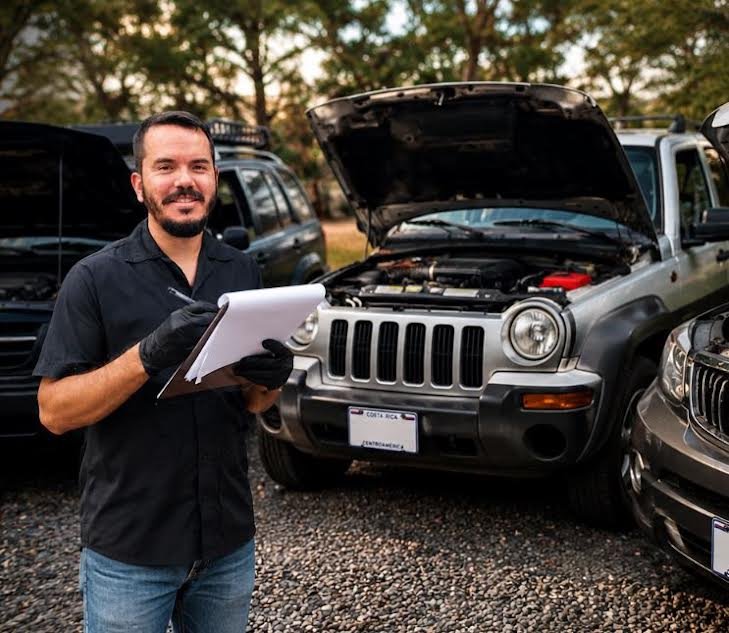
With Ruben, The CR Car Guy, pre-purchase vehicle inspection specialist in Costa Rica
A used car can be mechanically sound and still be a poor match for its owner. Before comparing listings, Ruben recommends looking at the roads, passengers, parking and maintenance needs that will shape everyday driving. In this interview, he explains how to separate route suitability, mechanical condition and legal checks before committing to a purchase.
Answers edited for length and clarity from a written interview.
1. What should a newcomer work out before looking at listings?
The first question I ask is not “What car do you want?” but “How are you going to use it?”
I want to know where the buyer will live and what their normal routes look like. A vehicle that suits someone driving mostly in San José may not suit someone living near the coast, in the mountains or in a rural area.
Are the roads paved, gravel, steep or rough? Are there large potholes, narrow sections, steep driveways or rainy-season flooding? The number of passengers and the luggage they carry matter too. Finally, consider parking: a large 4×4 may suit rough roads but be inconvenient in a small parking space every day.
The goal is to choose for the roads and lifestyle the buyer will actually experience.
2. How do you distinguish a need for four-wheel drive from a preference?
If someone’s normal roads are paved and well maintained, they may never need 4WD. Someone living in a rural or mountainous area, or regularly exploring less-developed roads, may find both ground clearance and 4WD useful.
Think beyond the daily commute, but look at the actual roads you expect to drive rather than just a specification sheet. If possible, try a similar vehicle on suitable, safe routes representative of your needs. Ground clearance affects how a vehicle handles potholes, rocks, ruts and steep transitions without damaging its underside.
In my experience, properly equipped 4×4 vehicles can be desirable in the Costa Rican market and hold their value well. That should not be the sole reason for buying one.
3. What should an independent pre-purchase inspection cover, and what are its limits?
The process starts before I see the vehicle. Was it originally sold new in Costa Rica, or imported as a used vehicle? With a used import, the buyer may have limited visibility into its earlier condition and repairs. A vehicle can look excellent today while having a history that is difficult to verify.
Depending on the vehicle, I inspect the engine, transmission, cooling system, suspension, steering, brakes, drivetrain, 4WD system, electrical systems, leaks, tyres, chassis and body. I look for signs of accidents, poor repairs, overheating and neglect.
A proper road test matters. Some problems appear only when the vehicle is cold, under load, at highway speed, while braking or turning, or when the transmission and drivetrain are operating normally.
An inspection is a snapshot of condition at the time. It cannot predict the future or guarantee that the vehicle will never develop a problem, but it can give the buyer much more information before purchase.
4. Which checks require a legal specialist rather than a mechanic?
The licence plate number is important and should be checked before committing. I recommend having an attorney carry out the legal checks for liens, restrictions or other circumstances that could affect the owner’s ability to sell.
A mechanical inspector can assess physical condition; that is not a substitute for an attorney’s work on legal ownership and liens. Buyers should also verify the vehicle’s Marchamo and applicable inspection status, and ask for maintenance records. Documentation helps establish how the vehicle has been maintained and whether important services were completed.
5. How can buyers compare ownership costs beyond the asking price?
Ask about normal maintenance costs, the availability of replacement parts, tyre prices and local mechanics who regularly work on the model.
A vehicle can be inexpensive to buy but expensive to own if basic parts must be imported or are difficult to find. Unusual or large tyre sizes may also cost more than expected.
Before purchasing, call local parts suppliers and independent repair shops to ask about prices and availability of common parts for the specific model. Maintenance records provide a better starting point than a seller who cannot explain where or how the vehicle was maintained.
6. How can a closer look at the route change the decision?
Consider a buyer whose home is reached by a steep, rough gravel road with large potholes and seasonal water crossings. That changes the conversation from appearance and fuel economy to clearance, drivetrain, suspension, tyres and whether the route is suitable at all.
The three checks I would prioritise are:
- Investigate the vehicle’s history and documentation before becoming attached to it.
- Arrange an independent professional inspection, rather than relying only on the seller’s mechanic or a brief test drive.
- Make sure the vehicle matches your roads, passengers and lifestyle.
A car can be mechanically excellent and still be the wrong car for its owner. My biggest advice is not to skip the independent inspection.
Before you commit
Use Ruben’s three checks as separate questions: does the vehicle fit your life, what condition is it in, and can the transaction proceed on an independently checked legal basis? Ask the appropriate professionals about any unresolved point. This interview describes practical experience and is not a vehicle-specific inspection or legal opinion.
Route safety note from Costa Rica Havens: vehicle capability does not establish that a flooded road or water crossing is safe. Check conditions and choose another route when safety is uncertain.
Useful verification resources
- INS Marchamo consultation: https://marchamo.ins-cr.com/Marchamo/ConsultaMarchamo.aspx
- Registro Nacional digital certificates and reports: https://www.rnpdigital.com/shopping/login.jspx
- DEKRA vehicle-inspection information: https://www.dekra.cr/es/preguntas-frecuentes/
Use current records and professional advice for the specific vehicle; these links do not replace an independent inspection or legal review.
About Ruben
Ruben is a professional automotive mechanic and founder of The CR Car Guy, specialising in independent pre-purchase mechanical inspections for people buying vehicles in Costa Rica. His work helps buyers understand a vehicle’s mechanical condition before committing, with attention to the practical challenges of buying and owning a vehicle locally.
Professional website: https://www.crcarguy.com/
Useful next interviews
- Read the interview: Car insurance in Costa Rica: compare the cover, not just the priceBroader planning: Countrywide
- Read the interview: Choosing a used car in Costa Rica: start with the roads you will actually driveBroader planning: Countrywide
- Read the interview: Buying a Used Car in Costa Rica: Choosing the Right Vehicle for Where You LiveBroader planning: Countrywide
More interviews: More interviews about life in Costa Rica