

The vehicle that suits a city routine may be different from the one you need for a steep rural access road. Russ Martin, a business owner at WheelsCR.com, explains how location, daily needs and the total ownership budget shape a used-car decision in Costa Rica.
1. What should someone assess about the area where they plan to live before choosing a vehicle?
I find it helpful to think about three broad types of buyer. These are starting points for a conversation, not rules that apply to everyone.
The “pathfinder” is still deciding where to settle and wants to explore different locations. An AWD SUV, such as an appropriately equipped Toyota RAV4 or Hyundai Tucson, can be a useful option. There are different versions and model years, so the individual vehicle’s equipment, condition and suitability need checking. If someone does not need low-range four-wheel drive, their budget may buy a newer vehicle without it.
The adventurer, surfer or person living farther out may need access to remote beaches or difficult rural and coastal roads. A good main road does not tell you what the final approach to a home, a friend’s house or a local attraction will be like. Around places such as Dominical and Uvita, ground clearance and traction can matter on particular access roads. Assess those conditions rather than assuming everyone in an area needs the same vehicle.
Someone living in San José or a developed beach area may have different priorities. Fuel economy, space and the balance between weekday driving and weekend trips can make a sedan or smaller crossover a sensible choice. The important thing is to establish what you will actually use the vehicle for.
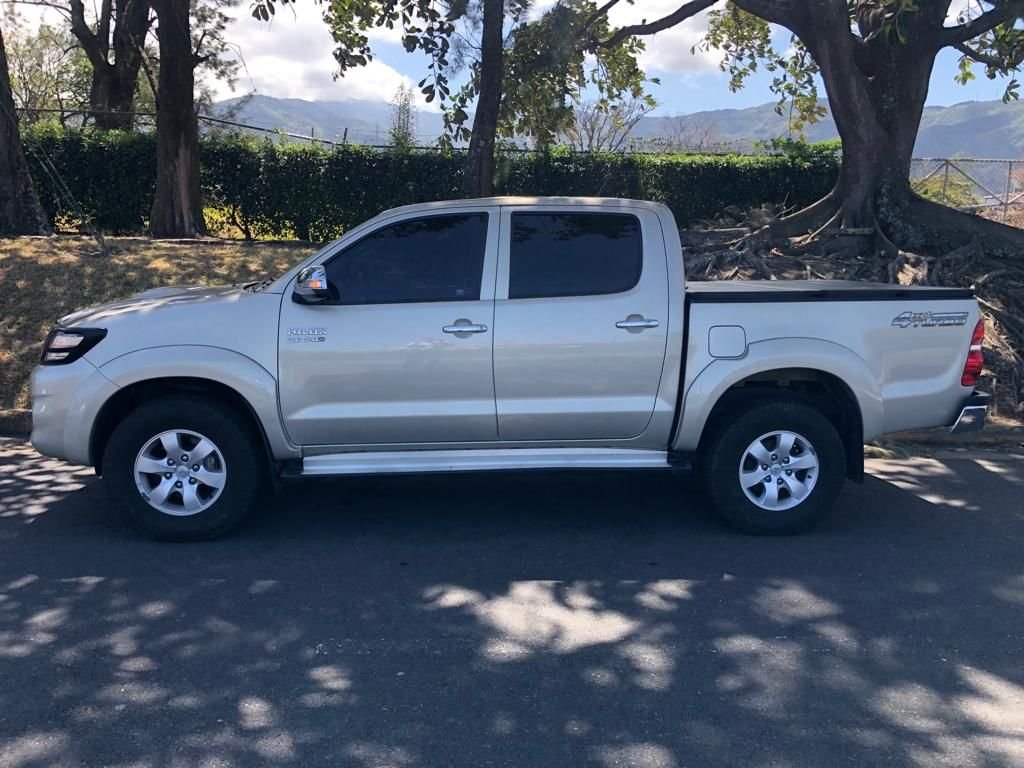
2. How do you help a buyer decide between a sedan, an AWD SUV and a true 4×4 with low-range capability?
Extra capability is appealing, but the budget does not always allow every “just in case” feature. Seating is a good example. A buyer may want seven seats for relatives who visit occasionally, but moving into a larger SUV can mean buying an older vehicle with more kilometres.
It may be better to choose something smaller and newer for everyday use, then have visitors rent an additional vehicle when necessary. That is a trade-off we discuss with many clients; it is not the story of one particular customer.
The same reasoning applies to off-road capability. Start with the area, access conditions, budget and ordinary passenger and cargo needs. Then compare models and individual vehicles that fit. A true 4×4 with low range is valuable when the conditions call for it, but there is no benefit in paying for capability you do not need at the expense of the things you use every day.
3. Before committing to a used vehicle, what checks and costs should a newcomer consider?
Leave room beyond the advertised purchase price. In my experience, buyers should not assume they can negotiate thousands of dollars off a listing. The scope for negotiation varies, and an individual seller’s asking price should be assessed against the vehicle’s condition and market alternatives.
Look at the vehicle’s history and where it has been used. At WheelsCR, we prefer to source vehicles that have mainly been used in the Central Valley because coastal and rural conditions can be demanding. That is our purchasing preference, not proof that every vehicle from another area is in poor condition.
Arrange an independent pre-purchase inspection. A mechanic can inspect for signs of major accident damage and leaks, test-drive the vehicle, and use diagnostic equipment. The inspection can help identify problems such as a damaged frame or a failing transmission, but it cannot predict every future failure. Keep a maintenance reserve even after a satisfactory inspection, and review the latest technical-inspection record as well.
The mechanics we use in different areas of San José charge around US$70 for a mechanical inspection. The price varies with the mechanic, location and work involved; obtain a quote for the actual inspection.
For legal and Registry costs, I suggest allowing approximately 5% as an initial budgeting estimate. It is not a fixed tax rate or a substitute for an itemized quote. Once a particular vehicle has been selected, obtain the exact costs from the professional handling the transfer and confirm what is included. Have ownership and any restrictions checked before committing, and make sure the transfer paperwork is properly completed.
Check the vehicle’s current marchamo and DEKRA technical-inspection status directly. Do not assume a listing means all documents are valid or that every imported or newly registered vehicle is at the same stage of the process.
Ask for the dealer’s warranty terms in writing and understand what applies to the particular sale. Keep the sales and inspection documents. A warranty is not a substitute for an independent inspection.
Budget separately for optional insurance. The compulsory insurance associated with marchamo is different from the additional insurance coverages a buyer may want for liability, damage to their own vehicle, roadside assistance or other risks. Ask an insurer or broker to explain the insurance coverages, limits, deductibles and exclusions for your specific vehicle and circumstances.
As an example from my recent client experience, optional insurance quotes have often been around US$80–US$140 a month, with deductibles around US$600 in the examples discussed. These are estimates, not a promise of price or “full coverage.” Get a current written quote and read the policy details before deciding.
About Russ Martin and WheelsCR.com
Russ Martin and Kattia Wiessel are business owners at WheelsCR.com, a family business focused on assisting expats moving to Costa Rica in the purchase of a vehicle that meets their budget and needs.
Editorial note: This interview describes Russ’s experience and general purchasing considerations. Obtain vehicle-specific mechanical, legal and insurance advice before committing. All dollar examples above are US dollars and reflect the contributor’s September 2026 account.
Useful next interviews
- Read the interview: Car insurance in Costa Rica: compare the cover, not just the priceBroader planning: Countrywide
- Read the interview: Choosing a used car in Costa Rica: start with the roads you will actually driveBroader planning: Countrywide
- Read the interview: Choosing a Used Car in Costa Rica: Start with Your Everyday RoadsBroader planning: Countrywide