
TL;DR Navigating Costa Rica safely and affordably is entirely possible with the right approach. This guide breaks down the safest and most cost-effective transportation options—from reliable public buses and shared shuttles to car rentals, taxis, and domestic flights. You’ll find practical tips tailored for budget travelers and first-time visitors, along with realistic cost estimates and essential safety advice. Whether you’re heading to a remote beach town or exploring the Central Valley, this guide helps you choose the best transport mode for your itinerary and peace of mind.
📍 In This Article
- What Are the Safe and Affordable Public Transportation Options in Costa Rica?
- How Do Shuttle Services Work and Are They Worth It?
- Is Renting a Car a Safe and Cost-Effective Way to Travel in Costa Rica?
- Are Taxis and Ride-Sharing Safe and Affordable in Costa Rica?
- Can Domestic Flights Save Time and Are They a Good Value?
- How Much Does It Cost to Travel Around Costa Rica?
- What Are the Essential Safety Tips When Using Transport in Costa Rica?
- FAQs
- What Should I Do Next to Plan My Costa Rica Transportation?
- Deep Dive AI Prompts
Introduction Traveling through Costa Rica offers stunning landscapes, vibrant culture, and unforgettable adventures—but getting around can be challenging without local insight. With a variety of transportation options available, from crowded public buses to private shuttles and car rentals, knowing how to move safely and affordably is key to a smooth trip. Drawing from extensive experience exploring Costa Rica’s diverse regions and understanding the nuances of local transit systems, this guide provides practical, trusted advice to help you make informed decisions.
For example, many travelers initially underestimate the time and conditions on local buses; my own journey from San José to Monteverde on a public bus highlighted the importance of planning around schedules and road conditions to avoid long waits and uncomfortable rides. Whether you prioritize budget, convenience, or safety, this guide equips you with realistic expectations and useful tips to navigate Costa Rica confidently and cost-effectively.

What Are the Safe and Affordable Public Transportation
When traveling in Costa Rica, public transportation is not only a budget-friendly choice but also an authentic way to experience local life. The three main types of public transport available are urban buses, “chicken buses,” and intercity coaches. Each offers different experiences and conveniences, so understanding their nuances will help you navigate the country safely and economically.
Types of Public Transport
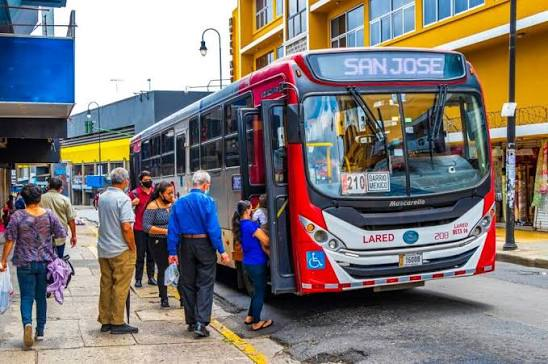
Urban buses dominate city travel and are the most straightforward option for short distances. These usually run on fixed routes within cities like San José or Heredia and cost around ₡200 to ₡500 colones (approximately $0.35 to $0.85). They are generally reliable and safe when used during daytime hours.
“Chicken buses” are repurposed American school buses painted in bright colors and commonly used for rural and regional travel. While often lively and culturally immersive, they can be crowded and less punctual. For first-time visitors, it’s important to be aware of these buses’ sometimes chaotic boarding process, where buying tickets beforehand is rare and seats fill on a first-come, first-served basis.
Intercity coaches are the preferred option for longer routes between major towns and tourist destinations. Companies such as Ticabus and TransNica offer modern, air-conditioned buses with scheduled departures, online booking, and padded seats. For example, a ticket from San José to Monteverde on Ticabus costs about ₡5,000 to ₡7,000 (roughly $8 to $12) and takes around 3.5 to 4 hours, offering a comfortable and secure journey.
Safety Tips and Typical Costs
Safety should always be a traveler’s priority when using public transit in Costa Rica. Avoid using public transport late at night—especially if you’re alone—as visibility and passenger numbers decrease, increasing vulnerability. Always keep your valuables close and secure, ideally in a money belt or inside zipped compartments.
Use official bus stops and avoid unofficial or unmarked vehicles. When in doubt, ask locals or bus station employees for confirmation of routes and prices. Most urban and intercity buses are affordable: urban trips generally cost less than $1, chicken buses are often the cheapest option but less regulated, and intercity coach fares range from $4 to $15 depending on distance and bus class.
Advantages and Limitations for Budget Travelers and
For budget travelers, public transportation in Costa Rica is a fantastic way to explore without breaking the bank. The low costs of buses and chicken buses allow you to stretch your travel budget while engaging with local culture. Additionally, intercity coaches give a comfortable, reliable option to cover large distances efficiently.
However, first-time visitors should be aware of some limitations. Chicken buses, while colorful and authentic, may be overwhelming due to their crowding and informal boarding practices. Routes can be confusing without Spanish language skills, and schedules are often less precise than those of private services. Intercity coaches are more user-friendly but come at a slightly higher cost.
By balancing these options—choosing urban or intercity buses for safety and convenience, and using chicken buses selectively and with caution—you can enjoy Costa Rica’s rich landscapes without excessive spending or unnecessary risk. Remember, preparation and attention to local travel protocols make all the difference in having a smooth journey.
How Do Shuttle Services Work and Are They Worth It?
Shuttle services in Costa Rica offer a convenient and often comfortable alternative to public buses, bridging the gap between budget travel and private transport. They are particularly popular for tourists moving between popular destinations like La Fortuna, Monteverde, Manuel Antonio, and the Guanacaste beaches. Understanding the two main types—shared and private—will help you decide if they’re the right fit for your travel style and budget.
Shared vs. Private Shuttle Options
Shared shuttles operate on fixed schedules, picking up and dropping off passengers at designated hotels or central locations. These are typically 10-15 passenger vans, air-conditioned, and driven by experienced local drivers. They are a great middle-ground option, offering more comfort and direct routes than public buses at a lower cost than private transfers. Booking is usually done online through reputable companies like Interbus, Caribe Shuttle, or Anywhere Costa Rica, often several days in advance, especially during peak season.
Private shuttles offer maximum flexibility and convenience. You can set your own departure time, choose your specific pick-up and drop-off points, and travel directly to your destination without additional stops. While significantly more expensive than shared shuttles, they are ideal for families, groups, or travelers who prioritize privacy and a personalized itinerary. For instance, a private shuttle from San José to La Fortuna might cost around $150-$200, whereas a shared shuttle for the same route would be $50-$60 per person.
Cost Comparison and Pros/Cons
| Feature | Public Bus | Shared Shuttle | Private Shuttle |
|---|---|---|---|
| Cost | Very Low ($5-$15) | Medium ($40-$70 per person) | High ($150-$300+ per vehicle) |
| Convenience | Low (fixed schedules, multiple stops, less direct) | Medium-High (door-to-door or near door-to-door, fewer stops) | Very High (custom schedule, direct, personalized) |
| Comfort | Low (can be crowded, no AC) | Medium-High (AC, comfortable seats) | High (AC, spacious, personalized) |
| Safety | Medium (watch belongings, avoid night travel) | High (professional drivers, direct routes) | High (professional drivers, direct routes) |
| Flexibility | Low (fixed routes and times) | Medium (fixed routes, some schedule options) | High (custom routes and times) |
Shuttles offer a significant upgrade in comfort and convenience over public buses, especially for navigating between tourist hubs. The main drawback is the cost, which can add up for solo travelers or those on a very tight budget. However, for many, the time saved and reduced stress make them well worth the investment.
Recommended Trusted Shuttle Companies
When choosing a shuttle service, always opt for well-established companies with good reviews. Some of the most reputable include:
- Interbus: One of the oldest and most reliable shared shuttle services, covering most major tourist routes.
- Caribe Shuttle: Excellent for transfers to and from the Caribbean coast, as well as other popular destinations.
- Anywhere Costa Rica: Offers both shared and private options, known for good customer service and extensive coverage.
Booking directly through their websites or via a trusted travel agent ensures you get legitimate and safe service. Always confirm pick-up times and locations a day in advance.
Is Renting a Car a Safe and Cost-Effective Way to Travel in
Renting a car in Costa Rica offers unparalleled freedom and flexibility, allowing you to explore off-the-beaten-path destinations and travel at your own pace. However, it comes with its own set of considerations regarding safety, cost, and road conditions. For those who enjoy independent travel, a rental car can be an excellent option, provided you are prepared for the local driving environment.
Requirements and Conditions for Renting Vehicles
To rent a car in Costa Rica, you generally need to be at least 21 years old (some companies require 25), have a valid driver’s license from your home country, and a major credit card. An International Driving Permit (IDP) is not strictly required for most nationalities for stays up to 90 days, but it can be helpful for translation purposes and is recommended by some rental agencies. Be aware that mandatory liability insurance (often called SLI or TPL) is required by law and is usually added to your rental cost, even if your credit card offers coverage. This can significantly increase the quoted price, so always clarify the total cost including all mandatory insurance before booking.
When a 4×4 is Necessary vs. Regular Cars
The question of whether you need a 44 (four-wheel drive) is one of the most common for visitors. While many main roads are paved and well-maintained, especially between major cities and popular tourist destinations, a 44 becomes essential for certain areas. If your itinerary includes places like Monteverde (especially the unpaved roads leading to it), remote beaches, national parks with rough access roads, or during the rainy season (May to November) when roads can become muddy and challenging, a 44 is highly recommended.
For example, driving to some of the more secluded beaches on the Nicoya Peninsula, like Playa Hermosa near Santa Teresa, often requires navigating unpaved, steep, and rocky terrain where a standard sedan would struggle or get stuck. If you plan to stick to paved routes and major towns, a regular sedan or compact SUV will suffice and be more fuel-efficient.
Cost Factors and Safety Recommendations
Beyond the base rental rate, several factors contribute to the total cost of renting a car: mandatory insurance, GPS rental (though Waze and Google Maps work well), fuel (which is relatively expensive in Costa Rica), and potential tolls. Always inspect the vehicle thoroughly for existing damage before driving off and take photos or videos as proof. When driving, adhere to speed limits, which are often lower than what you might be used to, and be prepared for unpredictable road conditions, including potholes, unmarked speed bumps (known as reductores or muelles ), and narrow bridges.
Avoiding driving at night is a crucial safety recommendation, as roads can be poorly lit, signage may be limited, and wildlife can be present. Always park in secure, well-lit areas or hotel parking lots. Never leave valuables visible in your car, even when locked, to deter opportunistic theft.
By being prepared and cautious, renting a car can be a rewarding way to experience Costa Ricas natural beauty on your own terms.
Are Taxis and Ride-Sharing Safe and Affordable in Costa
Taxis and ride-sharing services offer convenient point-to-point transportation in Costa Rica, especially within urban areas and for shorter distances. However, understanding the local landscape of these services is crucial for both safety and affordability. Distinguishing between official and unofficial options, and knowing how to use ride-sharing apps effectively, will enhance your travel experience.
Overview of Official Taxis vs. Informal Taxis
Official taxis in Costa Rica are typically red (in the Central Valley) or orange (at the airports) and have a yellow triangle on the side with a taxi number. They use meters (called marias ) for fares within cities, though its always wise to confirm the driver will use it. For longer trips or specific routes, you can negotiate a fare beforehand.
Official taxis are generally safe and regulated, providing a reliable option for travelers. My experience has shown that official airport taxis, while slightly more expensive, offer peace of mind upon arrival, especially after a long flight.
Informal taxis, often referred to as informal taxis, are private vehicles operating without proper licensing. While they might offer lower prices, they are unregulated and pose significant safety risks. It’s strongly advised to avoid these for your safety and to support legitimate businesses.
Availability and Safety of Ride-Sharing Apps like Uber
Ride-sharing apps like Uber operate in Costa Rica, primarily in larger urban areas such as San José, Alajuela, and Heredia. While technically operating in a legal gray area, they are widely used by both locals and tourists. Uber offers a convenient way to get around, often at a lower cost than official taxis, and provides the added benefits of GPS tracking, cashless payments, and driver ratings for accountability.
My personal experience using Uber in San José has been consistently positive, offering clear pricing and reliable service. However, its important to be discreet when using ride-sharing apps, especially around airports and bus terminals, where official taxi drivers may be less welcoming of the competition.
Typical Fare Estimates and Best Practices for Safe Use
For official taxis, short rides within a city might cost between $3-$10, while longer intercity trips will be negotiated. Uber fares are typically 20-30% less than metered taxis for comparable distances. Always confirm the destination and estimated fare before starting your trip, whether with a metered taxi or a ride-sharing app.
For safety, always sit in the back seat, share your trip details with a trusted contact, and verify the car and driver match the information provided by the app or the official taxis identification. If using an official taxi, ensure the driver activates the maria (meter) at the start of the journey. If they refuse, politely insist or find another taxi.
Can Domestic Flights Save Time and Are They a Good Value?
For travelers with limited time or those looking to reach remote destinations quickly, domestic flights in Costa Rica can be an excellent option. While generally more expensive than ground transportation, they offer breathtaking aerial views and significantly reduce travel time, allowing you to maximize your exploration of this diverse country.
Popular Domestic Flight Routes and Airlines
Costa Rica has two main domestic airlines: Sansa Airlines and Aerobell Airlines. Both operate out of Juan Santamaría International Airport (SJO) near San José and Tobias Bolaños International Airport (SYQ) in San José. They serve a network of popular tourist destinations, including:
- La Fortuna (Arenal Volcano): A quick flight can get you close to this iconic volcano.
- Quepos (Manuel Antonio National Park): Ideal for reaching the Pacific coast’s stunning beaches and wildlife.
- Liberia (Guanacaste): A gateway to the northern Pacific beaches like Tamarindo, Conchal, and Papagayo.
- Puerto Jimenez and Drake Bay (Osa Peninsula): Essential for accessing the remote and biodiverse Corcovado National Park.
- Tortuguero: Though often reached by boat, flights offer a faster alternative to the Caribbean side.
Flights are typically on small propeller planes, offering an intimate and scenic travel experience. My flight from San José to Quepos, for instance, took less than 30 minutes, a journey that would have taken over 3 hours by car or shuttle, providing more time to enjoy the national park.
Compare Costs vs. Ground Transportation for Time-Sensitive
Domestic flights are undoubtedly the fastest way to cover long distances in Costa Rica. A flight that takes 30-60 minutes could replace a 3-6 hour drive or shuttle ride. However, this speed comes at a higher price.
A one-way domestic flight can range from $70 to $150 or more, depending on the route, time of booking, and season. In contrast, a shared shuttle for a similar distance might cost $50-$70, and a public bus significantly less at $8-$15. For time-sensitive travelers, business travelers, or those who want to avoid long, winding road journeys, the cost can be justified by the saved time and increased comfort.
Safety Record and Booking Tips
Both Sansa and Aerobell have generally good safety records, adhering to international aviation standards. The small planes and often short runways can make for a unique, sometimes bumpy, experience, but pilots are highly experienced in navigating Costa Ricas diverse terrain and weather conditions. Its advisable to book domestic flights well in advance, especially during peak travel seasons, as seats are limited and prices tend to rise closer to the departure date.
Also, be mindful of baggage weight limits, which are often stricter on domestic flights than international ones. Always check the specific baggage allowance of your chosen airline to avoid unexpected fees.
How Much Does It Cost to Travel Around Costa Rica?
Understanding the financial implications of different transportation methods is crucial for budgeting your Costa Rica adventure. While the country offers options for every budget, from shoestring to luxury, knowing the approximate costs and travel times can help you make informed decisions that align with your financial plan and itinerary.
Detailed Cost Comparison Table for All Transportation
Here’s a comparative overview of the typical costs and travel times for popular routes (e.g., San José to La Fortuna, roughly 3-4 hours by road) using various transportation methods. Prices are approximate and can vary based on season, booking in advance, and specific providers.
| Transportation Method | Approximate Cost (USD) | Travel Time (San José to La Fortuna) | Pros | Cons |
|---|---|---|---|---|
| Public Bus | $8 – $15 | 3.5 – 4 hours | Most affordable, authentic local experience | Less comfortable, fixed schedules, can be slow, potential for pickpocketing |
| Shared Shuttle | $50 – $70 per person | 3 – 3.5 hours | Convenient, comfortable, door-to-door service | More expensive than bus, fixed schedules, multiple stops |
| Private Shuttle | $150 – $200 per vehicle | 2.5 – 3 hours | Flexible, direct, personalized, comfortable | Most expensive option |
| Rental Car (Economy) | $30 – $60 per day (plus insurance, gas) | 2.5 – 3 hours | Ultimate flexibility, explore off-the-beaten-path | High cost (insurance, gas), challenging roads, navigation, parking |
| Domestic Flight | $70 – $150 per person | ~30 minutes (flight time) + airport transfers | Fastest, scenic views | Most expensive, baggage restrictions, airport transfers needed |
Tips for Budgeting Transport Costs
- Prioritize Public Buses for Long Distances (if time allows): If you have a flexible schedule and are comfortable with a more local experience, public buses offer significant savings. For example, traveling from San José to Puerto Viejo on the Caribbean coast by public bus costs around $10-$15, while a shared shuttle can be $50-$60.
- Consider Shared Shuttles for Convenience: For popular tourist routes, shared shuttles strike a good balance between cost and convenience. They save time compared to public buses and offer more comfort.
- Factor in Hidden Costs for Rental Cars: The daily rental rate is just one part of the equation. Mandatory insurance, often costing $15-$30 per day, can double your rental cost. Fuel is also expensive, and tolls (though minor) add up. Budget for these extras.
- Book Domestic Flights in Advance: While expensive, booking early can sometimes secure better rates. Also, remember to factor in the cost and time for transfers to and from the smaller domestic airports.
- Mix and Match: Don’t feel obligated to stick to one mode of transport. You might take a domestic flight to cover a long distance quickly, use shared shuttles between major tourist spots, and rely on public buses for short, local trips.
- Cash for Small Fares: Always carry small denominations of Costa Rican colones for bus fares, short taxi rides, and local purchases. Many smaller transport options may not accept credit cards.
By carefully planning and understanding the costs associated with each option, you can effectively manage your transportation budget and enjoy a stress-free journey through Costa Rica.
What Are the Essential Safety Tips When Using Transport in
Ensuring your safety while traveling through Costa Rica is paramount, regardless of your chosen mode of transportation. While the country is generally safe for tourists, being aware of potential risks and taking proactive measures can prevent issues and ensure a smooth, enjoyable trip. My own travels have reinforced the importance of vigilance and common sense, especially when navigating unfamiliar environments.
General Safety Precautions for Drivers and Passengers
- Secure Your Belongings: Always keep an eye on your luggage and personal items, especially in crowded areas like bus terminals or when boarding/exiting vehicles. Use anti-theft bags or money belts for valuables. Never leave bags unattended.
- Avoid Night Travel: Whenever possible, avoid driving or taking public transportation at night, especially on rural roads. Roads can be poorly lit, wildlife is more active, and visibility is reduced, increasing the risk of accidents or other incidents.
- Stay Alert: Be aware of your surroundings. If something feels off, trust your instincts. Avoid distractions like constantly looking at your phone, which can make you an easier target.
- Inform Someone of Your Plans: Let a friend or family member know your travel itinerary, including your departure and arrival times and your mode of transport. This is especially important if you are traveling alone.
- Learn Basic Spanish Phrases: Knowing a few key phrases can be incredibly helpful for communicating with drivers, asking for directions, or clarifying information, particularly when using public buses or taxis.
Specific Advice for Each Mode of Transport to Minimize Risks
- Public Buses:
Watch Your Bags: Keep your backpack or small bag on your lap or between your feet, not in the overhead rack, to prevent theft. Use Reputable Terminals: Board buses at official terminals rather than roadside stops, especially in larger cities. * Avoid Overcrowding: If a bus seems excessively crowded, wait for the next one if possible, as this can be a prime environment for pickpockets.
- Shuttles:
Book with Reputable Companies: Stick to well-known and reviewed shuttle services to ensure professional drivers and well-maintained vehicles. Confirm Details: Double-check your booking details, including pick-up time and location, with the company directly.
- Rental Cars:
Drive Defensively: Be prepared for aggressive drivers, unexpected potholes, and sudden stops. Assume other drivers may not signal or follow traffic laws. Secure Parking: Always park in secure, well-lit areas or hotel parking lots. Never leave valuables visible in the car. * Road Conditions: Be mindful of weather conditions, especially during the rainy season, which can make unpaved roads impassable.
- Taxis and Ride-Sharing:
Official Taxis Only: Use only official red or orange taxis, or reputable ride-sharing apps. Avoid unmarked cars offering rides. Verify Driver/Vehicle: If using an app, confirm the driver and vehicle match the information provided in the app before getting in. Meter or Agreed Fare: For taxis, ensure the meter (maria) is used or agree on a fare before* starting the journey.
How to Handle Emergencies or Common Issues on the Road
- Keep Emergency Numbers Handy: Save local emergency numbers (911 for general emergencies) and your embassy/consulate contact information.
- Travel Insurance: Ensure you have comprehensive travel insurance that covers medical emergencies, theft, and travel disruptions.
- Stay Calm: In case of an incident, remain calm and cooperate. If you are a victim of theft, report it to the local police (Fuerza Pública) as soon as possible to get a police report for insurance purposes.
- Roadside Assistance: If renting a car, know your rental company’s roadside assistance number and what their policy covers.
By being prepared and exercising caution, you can significantly reduce risks and enjoy a safe and memorable journey through Costa Rica.
FAQs
Is public transport safe in Costa Rica?
Yes, public transport in Costa Rica is generally safe, especially during the daytime. Intercity buses are modern and reliable. However, like any crowded public space, it’s essential to be vigilant about your belongings to prevent petty theft. Avoid traveling alone at night on public buses, particularly in less populated areas.
Do I need a 4×4 in Costa Rica?
It depends on your itinerary. If you plan to visit remote areas, national parks with unpaved access roads, or travel during the rainy season (May to November), a 4×4 is highly recommended. For main paved routes between major tourist destinations, a regular sedan is usually sufficient. Always check road conditions for your specific destinations.
What is the best way to get from San Jose to La Fortuna?
The best way depends on your priorities. For affordability, a public bus is the cheapest option. For convenience and a good balance of cost, a shared shuttle is excellent.
If you prefer maximum flexibility and direct travel, a private shuttle or rental car are good choices, though more expensive. Domestic flights are not typically available for this route.
How do I avoid scams with taxis and shuttle services?
To avoid scams, always use official red or orange taxis with meters (marias) or reputable ride-sharing apps like Uber (where available). For shuttles, book through well-known companies with good reviews. Never accept rides from unmarked vehicles or individuals soliciting transportation services at airports or bus terminals. Always confirm the fare or ensure the meter is running before starting your journey.
What Should I Do Next to Plan My Costa Rica Transportation?
Planning your transportation in Costa Rica effectively can significantly enhance your travel experience, ensuring both safety and affordability. With the insights gained from this guide, you’re now equipped to make informed decisions. Here’s a step-by-step checklist to finalize your transport arrangements:
Step-by-Step Checklist for Selecting and Booking Transport
- Map Your Itinerary: Clearly outline all your destinations and the order in which you’ll visit them. This will help you visualize the distances and identify potential transport hubs.
- Assess Your Budget: Determine how much you’re willing to spend on transportation. If budget is a primary concern, prioritize public buses. If convenience and speed are more important, consider shared shuttles or domestic flights.
- Consider Travel Style and Group Size: Solo travelers might find public buses and shared shuttles more economical. Families or groups might benefit from the cost-effectiveness of a private shuttle or rental car when costs are split.
- Check Road Conditions and Season: If traveling during the rainy season (May to November) or to areas with unpaved roads, a 4×4 rental might be a necessity. Always check current road conditions, especially for remote destinations.
- Book in Advance: For shared shuttles, private transfers, and domestic flights, booking several weeks or months in advance (especially during peak season) can secure better prices and availability.
- Verify Insurance for Rental Cars: If renting a car, understand the mandatory insurance requirements and factor them into your budget. Clarify what your credit card covers versus what you need to purchase locally.
- Download Offline Maps: Apps like Google Maps or Waze allow you to download maps for offline use, which is invaluable in areas with limited cell service.
- Learn Basic Spanish Phrases: Essential for interacting with bus drivers, taxi drivers, and locals, especially outside major tourist areas.
- Pack Smart: Keep valuables secure and accessible, especially on public transport. Consider a small daypack for essentials and a larger bag for checked luggage.
Links to Relevant Costa Rica Havens Resources for Further
- [Placeholder: Best Beaches in Costa Rica]
- [Placeholder: Costa Rica Packing List]
- [Placeholder: Things to Do in La Fortuna]
Reminder to Verify Current Conditions with Official Sources
While this guide provides comprehensive advice, travel conditions can change. Always verify the latest information on road conditions, public transport schedules, and safety advisories with official sources such as the Costa Rica Tourism Board (ICT) or your country’s travel advisories before and during your trip. This proactive approach ensures a safe, affordable, and enjoyable journey through the beautiful landscapes of Costa Rica.
Deep Dive AI Prompts
Here are 4 Deep Dive AI Prompts to further explore aspects of transportation in Costa Rica:
- Prompt for Detailed Public Bus Routes: “Act as a local Costa Rican travel expert. Provide a detailed guide on navigating the public bus system from San José to popular destinations like Manuel Antonio, Monteverde, and Puerto Viejo. Include specific bus company names, estimated travel times, transfer points, and tips for purchasing tickets and ensuring luggage safety. Focus on practical, real-world advice for a first-time traveler.”
- Prompt for Rental Car Insurance Nuances: “Act as an insurance expert specializing in Costa Rican vehicle rentals. Explain the mandatory and optional insurance types for rental cars in Costa Rica (e.g., SLI, CDW, TPL). Detail what each covers, typical costs, and how credit card rental insurance benefits interact with local requirements. Provide clear advice on how to avoid unexpected charges and ensure full coverage.”
- Prompt for Sustainable Transportation Options: “Act as an eco-tourism consultant for Costa Rica. Research and outline sustainable transportation options available for tourists, focusing on their environmental impact and how travelers can make eco-conscious choices. Include information on electric vehicle rentals (if available), bicycle tourism, and tour operators committed to green practices. Suggest ways to minimize carbon footprint while exploring the country.”
- Prompt for Off-the-Beaten-Path Transport Challenges: “Act as an adventurous travel blogger who has explored remote regions of Costa Rica. Describe the unique transportation challenges and solutions for reaching less-visited destinations (e.g., Osa Peninsula, specific national parks without paved access). Include advice on hiring local guides with 4x4s, river taxis, or small plane charters, along with safety considerations and cultural etiquette for these experiences.”
Frequently Asked Questions
What is the safest mode of transportation for retirees in
Using reputable taxi services or ride-sharing apps like Uber is generally the safest option for retirees. Public buses are safe but can be crowded and less comfortable. Renting a car is convenient but be cautious of local driving habits and road conditions.
How affordable is public transportation in Costa Rica?
Public buses are very affordable and cover most regions, making them a budget-friendly choice for getting around. Fares typically range from $0.50 to a few dollars depending on the distance. However, schedules can be irregular, so plan accordingly.
Are rental cars a good option for exploring Costa Rica?
Renting a car offers flexibility to explore remote areas at your own pace, which is ideal for retirees wanting to travel beyond tourist spots. However, be prepared for variable road conditions, especially during the rainy season, and always choose insurance coverage. Driving can be challenging in rural areas due to narrow or unpaved roads.
What precautions should I take when using taxis in Costa
Always use official red taxis, which are regulated and metered, rather than unmarked cabs to ensure safety and fair pricing. Confirm the fare before starting your trip if the meter is not used. For added security, consider using ride-sharing apps like Uber, which provide driver information and fare estimates.
Ready to Make the Move to Costa Rica?
Whether you’re planning a scouting trip, exploring residency options, or ready to buy your dream property, our team at Costa Rica Havens is here to help. We specialize in guiding North Americans through every step of the relocation process.