

Staying Fit After 50: Best Walking Trails, Yoga Spots, and Beach Workouts
Independent planning resource · Verify changing requirements with primary sources
Click or tap to explore this guide
Staying Active After 50 in Costa Rica
Choose activities by your current ability, the exact route and the day’s conditions, not an age label or a promise of effortless fitness. This guide helps you ask useful questions about walking, yoga and beach activity before committing to an outing.

Five Questions Before Choosing an Activity
- Route: How far is the complete return journey, including the walk from transport?
- Access: Are there steps, loose ground, steep sections, toilets, seats and a shorter exit?
- Conditions: What changes after rain or in heat, and when would the operator cancel?
- Support: Can the instructor or guide accommodate your actual needs, and how is help contacted?
- Recovery: Can you shorten the outing and get home without completing the full route?
Compare outings using the weekend getaway guide. For a regular routine, start near home rather than choosing an impressive destination that is difficult to reach.
Choosing Walking Routes
Look for Specific Access Information
Manuel Antonio, La Paz Waterfall Gardens and Monteverde are places to research, not interchangeable recommendations for an easy walk. Ask for the current route map, steps, surface, elevation change and return arrangements. A paved section or handrail does not establish that the whole visit is accessible.
Confirm current opening and booking information with the park or operator. For Manuel Antonio, start with SINAC’s official park information and booking links. Ask about the exact path you intend to use; photographs of a viewpoint do not show the route to it. A park ticket does not confirm that a particular trail is open or suitable for you.
Do Not Rely on the Word “Moderate”
Ask what the rating means in distance, ascent and footing. A route that suits you in cool weather may be too demanding in heat or after rain. Choose a shorter option when conditions or your ability are uncertain.
Prepare for the Actual Outing
Use suitable footwear, carry water and sun or rain protection, stay on marked routes and tell someone your plan. Keep wildlife at a distance. If a health condition or medication affects heat tolerance, balance or fluid needs, discuss the outing with your clinician.
Choosing a Yoga Class
A “gentle,” “senior” or “all levels” label is not enough. Ask about floor transfers, balance demands, room temperature, props, instructor experience and modifications. A chair-based option may be useful, but suitability still depends on the class and person.
NIH’s yoga safety guidance advises adapting practice to individual needs. Tell the instructor about relevant limitations and avoid forcing positions. A scenic setting does not make a class more medically effective or eliminate injury risk.
Beach Activity Without Overdoing It
Soft or sloping sand changes footing and effort. It is not automatically easier on an injury, and this guide does not recommend sprinting or unstable-surface exercises as a starting routine. Choose a surface and activity you already manage comfortably, with an easy way to stop.
Ocean swimming is a separate safety decision. Check local warnings, currents and lifeguard advice; calm-looking water is not proof of safe conditions. Do not treat a beach workout as a reason to enter unfamiliar water.
Heat, Weather and When to Stop
Use the local forecast rather than a fixed “safe” time of day. Reduce effort as needed, take cooling breaks and follow any personal fluid restrictions. If you feel faint, dizzy, nauseated or unusually weak, stop activity and move to a cooler place.
Confusion, collapse or suspected heatstroke require emergency help. Heatstroke can occur with sweating; do not wait for sweating to stop. Begin cooling while help is arranged. See the CDC heat-illness guidance and Costa Rica travel advice before your trip.
Make the Routine Repeatable
Choose an activity you enjoy, a manageable journey and a realistic schedule. Ask about recurring groups through our community guide. Keep ordinary care and medication arrangements in place; a change of scenery does not replace them.
Common Questions
Is a trail suitable because it is advertised for older adults?
No. Confirm the actual access and demands against your needs.
Do I need a retreat to stay active?
No. A nearby route or suitable local class may be easier to maintain. Compare the full cost and travel time before booking a package.
Does Costa Rica Havens operate the activities or accommodation?
This is an independent planning guide, not an activity booking or a promise of accommodation. Confirm availability and arrangements directly with the provider.
Plan Your Next Step
Use the starting guide for relocation planning and the healthcare guide to organize local care questions. Send a correction or question about this article.
General information, not an individualized exercise prescription. Consult your clinician about new activity when health conditions, symptoms or mobility limitations affect what is appropriate for you.
Free Costa Rica Planning Kit
Make your scouting trip answer the questions that matter.
Two-Base Scouting Record
- Record each base’s conditions, quotes and everyday routines.
- Compare two bases using the same observation prompts.
- Record observations and follow-up actions before choosing a home.
Regional Budget & Cost-of-Living Worksheet
- Compare three regions using your own current quotes.
- Separate monthly costs, moving expenses and reserves.
- Track source dates and test a higher-cost scenario.
Download the PDFs and CSV templates now
Optional: enter your email to request the same resources. Your email is recorded privately for this request; this does not enroll you in marketing emails.
Prefer not to enter an email? Open the download hub. Privacy policy. Planning tools, not individual professional advice.
Continue with these planning guides

Health Insurance Options for Expats Over 60
Over 60 and moving to Costa Rica? Compare CCSS (Caja) eligibility, private-policy terms and coverage start dates. Work through six questions before you commit.

Choosing a Hospital in Costa Rica: Access, Insurance and Care
Research Costa Rica hospitals and clinics by region, services, emergency access, insurance compatibility and questions to verify before choosing care.
Regions
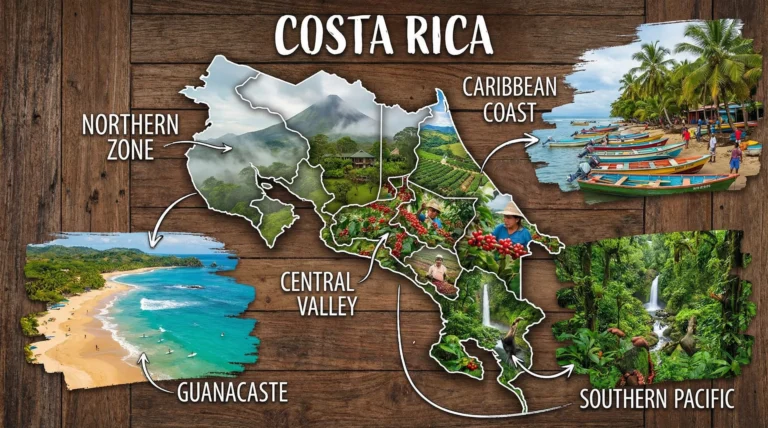
Compare six Costa Rica planning areas by climate, access to services, transport and lifestyle. Shortlist regions, then explore town and local planning guides.