
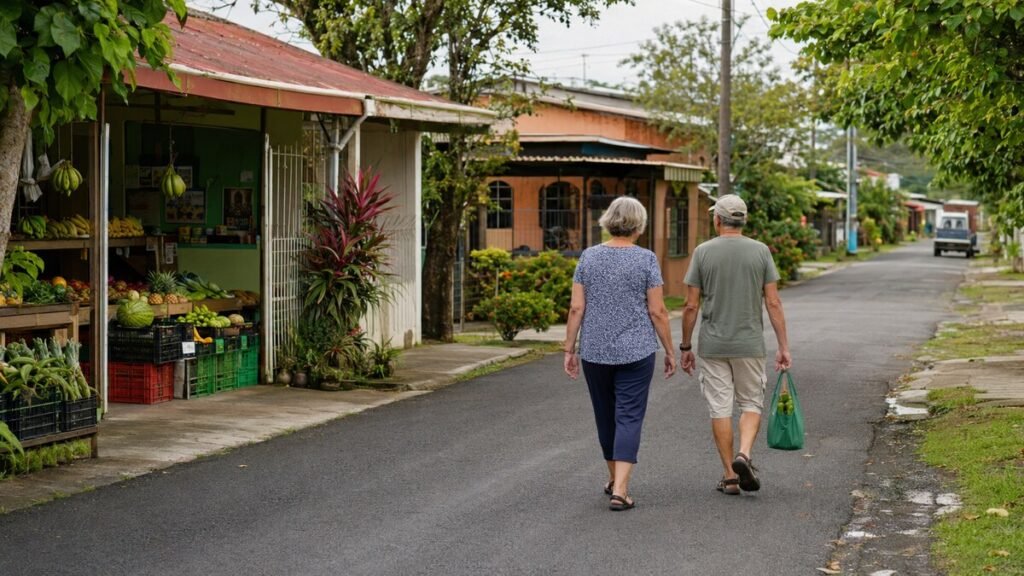
A Day in the Life of a Costa Rica Retiree: From Coffee to Sunset
An illustrative day, not a reported household budget or a promise of health outcomes. Use the morning coffee, errands, social time and sunset examples below to plan and test a routine that fits your own needs.
Independent planning resource · Verify changing requirements with primary sources

Click or tap to explore this guide
- Experience the tranquil rhythm of a Costa Rica retiree’s day, from morning coffee to vibrant sunsets.
- Discover how the “Pura Vida” philosophy shapes daily life, fostering peace and community.
- Learn about popular activities, healthcare access, and social integration for expats.
- Gain practical insights into budgeting and navigating daily life in this tropical paradise.
- Find answers to common questions about retiring in Costa Rica.
Imagine one ordinary day in the town you are considering: waking, buying groceries, reaching an appointment, meeting someone and getting home after dark. The examples below are illustrations to adapt during a trial stay, not observations of a typical household or a promise of an easier life.
What Is It Like to Retire in Costa Rica?
Retiring in Costa Rica is often described as embracing a lifestyle centered around the countrys unofficial motto: Pura Vida. This phrase, meaning pure life, encapsulates the relaxed, optimistic, and community-focused ethos that permeates daily existence. Retirees often find themselves surrounded by lush landscapes, from pristine beaches to verdant rainforests, fostering a deep connection with nature.
Compare the daily routine at the exact address: transport, noise, language needs, errands and time with other people. Try a repeatable activity and keep contact with your existing support network. A friendly visit or an established expat group does not establish that social integration will be smooth.
2026 Budget Stress Test
Costa Rica budgets should be tested against less convenient assumptions before they guide a move.
- Run a conservative version with higher rent, private healthcare, car costs, imported goods, insurance, and exchange-rate movement.
- Separate one-time setup costs from recurring monthly spending.
- Keep an emergency reserve for medical care, travel home, housing changes, and bureaucracy delays.
What Do Retirees Do All Day in Costa Rica?
Build an illustrative day around your own needs: meals, household tasks, appointments, movement, rest and time with other people. Test the journeys and indoor comfort in the town and season you are considering. The routine below is an example to adapt, not evidence that retirees share one schedule or become healthier after moving.
Morning Rituals: Coffee, Nature, and Pura Vida
The Costa Rican day often begins early, not out of obligation, but by choice. Many retirees embrace the tradition of a leisurely morning coffee, often enjoyed on a patio overlooking a garden or with a view of the ocean. This quiet time is perfect for reflection, planning the day, or simply savoring the sounds of tropical birds.
Following coffee, a common activity is a walk or hike in one of the many national parks, along a beach, or through local trails. This connection with nature is a cornerstone of the Pura Vida lifestyle, promoting physical well-being and mental clarity. Some might attend a yoga class, practice meditation, or simply tend to their gardens, setting a peaceful and mindful tone for the hours ahead.
Midday Adventures: From Markets to Medical Care
As the morning progresses, retirees often venture out for various activities. A popular pastime is visiting local farmers markets (ferias), where fresh, organic produce, artisanal goods, and local delicacies can be found. These markets are not just for shopping; they are vibrant social hubs where expats and locals mingle, exchange greetings, and enjoy the community atmosphere.
For errands or an appointment, confirm the office or provider, opening hours, required documents and journey from your accommodation. For healthcare, confirm eligibility or payment arrangements and the specific service before attending. Allow for waiting and a return journey rather than assuming the task will fit neatly into a quiet midday.
Afternoon Delights: Hobbies, Community, and Relaxation
For an afternoon activity, ask an organiser about the current schedule, cost, language and newcomer arrangements. Test the trip from your accommodation and leave room for rest. Use the four-week community plan to choose one activity you can realistically repeat.
For those seeking quieter pursuits, the afternoon is ideal for reading, pursuing creative projects, or simply relaxing by a pool or in a hammock. The warm climate encourages outdoor living, making it easy to enjoy the natural surroundings and unwind.
Evening Serenity: Sunsets, Socializing, and Local Flavors
As the sun begins its descent, the focus shifts to the evening. Costa Rica is renowned for its spectacular sunsets, and many retirees make it a ritual to watch the sky transform into a canvas of vibrant colors. This is often a communal experience, shared with friends or loved ones.
Evenings are also a time for socializing, whether its a casual dinner at a local soda (traditional restaurant), a potluck with neighbors, or attending cultural events. Exploring the local cuisine, rich in fresh ingredients and unique flavors, is a constant delight. The relaxed atmosphere of the evening provides a perfect close to a day filled with the simple joys of Pura Vida.
Is Costa Rica Good for Retirees?
Costa Rica consistently ranks as one of the top destinations for retirees, and for good reason. The country offers a compelling combination of natural beauty, a stable democracy, and a welcoming culture. A relaxed routine may appeal to you, but relocation and lifestyle labels do not establish an individual health benefit.
Compare the actual home, seasonal conditions and journeys to services before deciding whether a location fits. Check CCSS eligibility and obligations separately from private-provider appointments, insurance and self-paid charges. Housing suitability, healthcare access and immigration permission are separate questions; a retirement lifestyle example does not confirm any of them.
However, its important to approach retirement in Costa Rica with realistic expectations. While generally affordable, the cost of living can vary significantly depending on location and lifestyle choices. Imported goods can be expensive, and some services might not be as efficient as in ones home country.
Adapting to a new culture, language (though English is widely spoken in tourist areas and by many expats), and bureaucratic processes can present challenges. Despite these considerations, many retirees find the benefits far outweigh the drawbacks, leading to a fulfilling and enriching retirement experience.
| Feature | Costa Rica | Other Popular Retirement Destinations (e.g., Mexico, Portugal) |
|---|---|---|
| Climate | Diverse microclimates (tropical, temperate) | Varies widely by region |
| Healthcare | Reputable public (CAJA) and private options | Varies; often requires private insurance |
| Cost of Living | Generally affordable, but imported goods can be pricey | Can be very affordable, but tourist areas are expensive |
| Social Life | Strong expat communities, welcoming locals | Varies by location and expat presence |
| Safety | Generally safe, but petty crime exists | Varies by region; some areas have higher crime rates |
| Pura Vida Culture | Unique emphasis on relaxed, positive living | Cultural experiences vary greatly |
How Much Does It Cost to Retire in Costa Rica?
The cost of retirement in Costa Rica is a significant consideration for many, and its a topic with a wide range of answers depending on individual lifestyle choices. Generally, Costa Rica can be more affordable than many parts of North America or Europe, especially when it comes to fresh produce, local services, and public transportation. However, imported goods, electricity, and gasoline can be comparable to, or even higher than, prices in other developed nations.
Price housing and everyday needs for the specific town and household you are considering. Use the cost-of-living scenario methodology to separate recurring spending, annual expenses and one-time arrival costs. A national comfortable-couple total is not a verified quote for your move.
To effectively budget, consider factors like whether you plan to rent or buy, your dining habits (eating out versus cooking at home), and your entertainment preferences. Check any required CCSS affiliation separately from optional private insurance or self-paid care, and obtain costs that apply to your household. Many retirees successfully manage their finances by adopting a more local lifestyle, which not only saves money but also deepens their cultural immersion. It’s advisable to visit Costa Rica for an extended period before making a permanent move to get a realistic sense of living expenses and to find an area that suits your financial comfort zone.
Navigating Daily Life: Practical Tips for Retirees
Adjusting to daily life in a new country, even one as welcoming as Costa Rica, comes with its unique set of challenges and rewards. One of the most important tips for retirees is to embrace flexibility and patience. Things may operate on a different timeline, often referred to as Tico time, which is generally more relaxed.
Learning some basic Spanish phrases will significantly enhance your experience and help with daily interactions, though many in expat communities speak English. Transportation can involve a mix of public buses, taxis, and ride-sharing services, or owning a car, which comes with its own considerations regarding road conditions and maintenance.
Integrating socially often involves seeking out expat groups, which are abundant and offer a great way to meet like-minded individuals and gain valuable local insights. However, also make an effort to connect with locals; their warmth and hospitality are a cornerstone of the Costa Rican experience. When it comes to practicalities like legal paperwork or banking, its often advisable to seek assistance from local professionals who understand the system.
Most importantly, maintain an open mind and a sense of adventure. The beauty of retiring in Costa Rica lies not just in its stunning scenery, but in the opportunity to live a different, often richer, way of life.
FAQ About Retiring in Costa Rica
Q1: What is the climate like year-round for retirees? A1: Costa Rica boasts a tropical climate with distinct wet and dry seasons. However, due to its diverse topography, you can find various microclimates, from hot and humid coastal areas to cooler, spring-like temperatures in the central highlands. This allows retirees to choose a region that best suits their preferred weather.
Q2: How accessible is healthcare for expats and retirees? A2: Compare healthcare in Costa Rica at the specific address you are considering. Check any required CCSS affiliation separately from optional private insurance or self-paid care. Confirm the needed service, language support, eligibility, payment arrangements and travel plan directly with the provider.
Q3: Are there active retiree communities and social clubs? A3: Yes, Costa Rica has numerous active expat and retiree communities, particularly in areas like the Central Valley, Guanacaste, and the Southern Zone. These communities often have social clubs, volunteer opportunities, and organized activities, making it easy to connect with others and build a social network.
Q4: What visa or residency options exist for retirees? A4: Costa Rica offers several residency programs for retirees, most notably the Pensionado program for those with a guaranteed monthly income from a pension, and the Rentista program for those with a stable income from investments. It’s crucial to consult with an immigration attorney for the most current requirements and to navigate the application process.
Ready to Make the Move to Costa Rica?
Whether you’re planning a scouting trip, exploring residency options, or ready to buy your dream property, Costa Rica Havens provides independent guides to help you organize your questions and compare practical trade-offs.
Thinking about moving to Costa Rica? Get in touch — send us your questions or suggestions.
Sources & Further Reading
- ARCR: Association of Residents of Costa Rica
- Costa Rica Tourism Board: Travel & Country Information
- US Embassy Costa Rica: Residing in Costa Rica
Design your own ordinary Tuesday
When testing an everyday routine, consider the climate, activity and healthcare questions in Aging Well in the Tropics.
Write down a realistic weekday with groceries, household chores, appointments and time with other people. Estimate the journeys and costs, then test that schedule during a scouting stay.
Free Costa Rica Planning Kit
Make your scouting trip answer the questions that matter.
Two-Base Scouting Record
- Record each base’s conditions, quotes and everyday routines.
- Compare two bases using the same observation prompts.
- Record observations and follow-up actions before choosing a home.
Regional Budget & Cost-of-Living Worksheet
- Compare three regions using your own current quotes.
- Separate monthly costs, moving expenses and reserves.
- Track source dates and test a higher-cost scenario.
Download the PDFs and CSV templates now
Optional: enter your email to request the same resources. Your email is recorded privately for this request; this does not enroll you in marketing emails.
Prefer not to enter an email? Open the download hub. Privacy policy. Planning tools, not individual professional advice.
Continue with these planning guides

Renting vs. Buying in Costa Rica: Which Makes Sense for Retirees?
Compare renting versus buying in Costa Rica for retirees, including first-year strategy, legal risks, lifestyle testing, and when ownership may make sense.
Healthcare
Compare Costa Rica’s Caja system, private care, insurance options, regional access and likely costs when planning healthcare as an expat.
Costa Rica Exploratory Trip Itinerary: 14 Days To Compare Regions
Plan a 14-day Costa Rica exploratory trip to compare regions, costs, healthcare access, transportation, climate, and everyday lifestyle before relocating.