
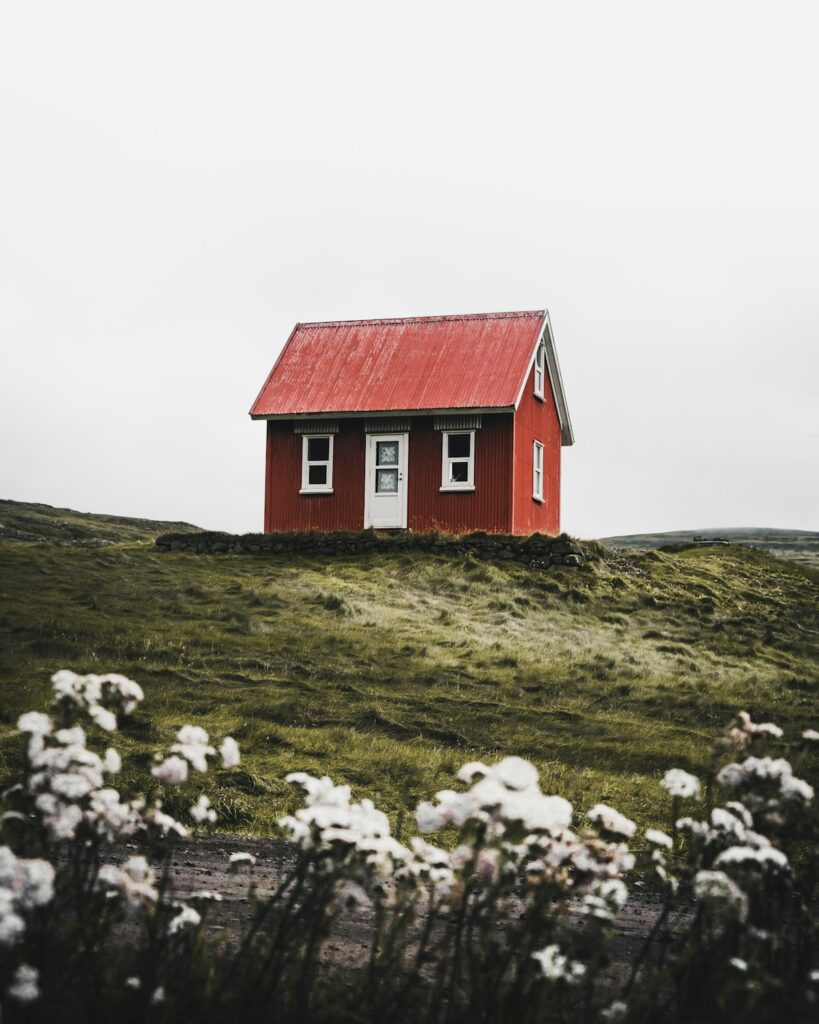
Sustainable and Off-Grid Homes: Eco-Friendly Living in Costa Rica
Before buying or building a sustainable home in Costa Rica, compare how it will handle water, electricity, waste and routine maintenance. A fully off-grid property puts those systems in your hands, so assess the backup arrangements and local repair support alongside the location and purchase price.
Independent planning resource · Verify changing requirements with primary sources
Click or tap to choose a section
Start with the practical checks: Click or tap to see what to request in an operating handover. For the wider purchase process, read the guide to buying property in Costa Rica.
Understanding Sustainable and Off-Grid Living
Sustainable living in Costa Rica exists on a spectrum. Some homeowners opt for grid-tied homes with eco-friendly features like solar water heaters and passive cooling, while others pursue fully off-grid properties that generate their own power and source their own water.
Fully off-grid living requires careful planning, particularly regarding water and power. While it offers independence from municipal utility outages, it shifts the responsibility of maintenance and system management entirely to the homeowner.
Property Due-Diligence Gate
Real-estate decisions in Costa Rica should slow down until title, survey, access, utilities, zoning, taxes, and local conditions are verified.
- Use an independent attorney/notary and verify property, corporation, liens, boundaries, permits, concessions, HOA rules, and municipal obligations.
- Visit in wet and dry seasons when possible, and test roads, drainage, internet, noise, water, and power reliability.
- Do not rely only on a seller, agent, or listing description for legal or buildability questions.
Key Elements of Eco-Friendly Homes in Costa Rica
1. Solar Power
Ask a qualified installer to assess solar power for the exact home using electricity bills or estimated demand, roof condition and shading, rainy-season conditions, grid connection if applicable, battery storage, backup needs and local maintenance support. Read Thomas Fees’s answer about the bills and home information to gather before requesting a proposal before asking for a property-specific design and written quote.
- Grid-Tied Systems: Confirm the utility’s interconnection and export approval, equipment requirements and written tariff or credit terms before purchase or installation. Installing panels does not by itself establish permission to export electricity or receive payment.
- Off-grid systems: Ask the designer to show which essential appliances the system can support, for how long and under what weather and usage assumptions. Request the equipment inventory, usable battery capacity, simultaneous-load limits, maintenance plan and backup arrangements in writing. A solar-panel count alone cannot establish overnight runtime or reliable supply for your needs.
2. Water Sourcing and Management
Water access is the most critical factor when evaluating property in Costa Rica. Legal, permitted construction generally requires verified water access. Confirm water availability, ASADA capacity, well permits, and building-permit requirements with your engineer, architect, municipality, and attorney before purchasing land. This due-diligence step belongs alongside the broader legal steps for buying property as a foreigner.
- Municipal or ASADA Water: Connecting to the local water association (ASADA) is the most straightforward option, provided the ASADA has the capacity to issue a water availability letter.
- Wells (Pozos): Drilling a private well requires permits from the Ministry of Environment and Energy (MINAE), a process that can be lengthy and complex.
- Rainwater Catchment: Rainwater is not automatically safe to drink. Test for the germs and chemicals relevant to the source and collection system, then specify treatment for those findings with qualified advice. A filter and UV unit are not a universal proof of potability. See CDC rainwater guidance.
3. Passive Design and Climate Adaptation
Effective tropical architecture relies on passive design to maintain comfort without excessive air conditioning. Key features include:
- Deep Overhangs: Broad roofs protect walls and windows from intense sun and driving rain.
- Cross-Ventilation: Strategic window placement and open floor plans maximize natural breezes.
- Elevated Construction: Raising the home improves airflow, reduces moisture issues, and helps deter pests.
The Realities of Off-Grid Maintenance
Off-grid living requires active engagement with your home’s infrastructure. The tropical climate — characterized by high humidity, salt air near the coast, and heavy rainfall — accelerates wear and tear on equipment.
- Battery Lifespan: Solar batteries require monitoring and eventual replacement, which can be a significant recurring expense.
- Water Treatment: Follow the system’s maintenance and testing plan. Replacing a filter or UV bulb does not by itself verify that all relevant contaminants are controlled.
- Internet and backup power: Ask providers about service at the exact address, installation lead time, equipment ownership and support. Test the connection inside the home. Ask the installer which modem or router loads the proposed backup system will support and for how long under the stated assumptions; an internet subscription alone does not establish operation during a power cut.
Buying vs. Building
An existing eco-home may reduce construction work, but its existence does not prove lawful permits, approved alterations or compliant utility arrangements. Verify the records and inspect the age, condition and capacity of the power and water systems before purchase.
Building your own sustainable home offers total customization but requires navigating Costa Rica’s bureaucratic permitting process and managing contractors in a different language and culture. If you choose to build, hiring an architect and builder experienced specifically in Costa Rican tropical design is essential.
Ready to explore whether an eco-friendly home fits your Costa Rica plans? Contact us to ask about relocation planning and local resources.
Thinking about moving to Costa Rica? Get in touch — send us your questions or suggestions.
Frequently Asked Questions
Can you live fully off grid in Costa Rica?
Yes, but it requires careful planning for legal water access, solar power, batteries, backup systems, internet, road access, and ongoing maintenance.
Is solar power practical in Costa Rica?
Solar can work well, especially when the system is designed for rainy-season cloud cover and realistic household use.
Should I buy an existing eco-home or build one?
Compare the documentation and condition of an existing home with the cost, approvals and management required for a new build. Neither option removes the need for independent legal and technical checks.
Ask for an operating handover
Practise one failure scenario: Ask the seller or installer to explain what happens if a pump stops or stored power runs low. Request the operating instructions, service contacts and maintenance responsibilities. A description of the equipment is less useful than knowing who can help and how you would manage an interruption.
Request a written inventory of water, power and waste systems, maintenance schedules, replacement parts and local service contacts. Ask who can repair each system and what the backup plan costs.
Free Costa Rica Planning Kit
Make your scouting trip answer the questions that matter.
Two-Base Scouting Record
- Record each base’s conditions, quotes and everyday routines.
- Compare two bases using the same observation prompts.
- Record observations and follow-up actions before choosing a home.
Regional Budget & Cost-of-Living Worksheet
- Compare three regions using your own current quotes.
- Separate monthly costs, moving expenses and reserves.
- Track source dates and test a higher-cost scenario.
Download the PDFs and CSV templates now
Optional: enter your email to request the same resources. Your email is recorded privately for this request; this does not enroll you in marketing emails.
Prefer not to enter an email? Open the download hub. Privacy policy. Planning tools, not individual professional advice.
Continue with these planning guides
Renting vs. Buying in Costa Rica: Which Makes Sense for Retirees?
Compare renting versus buying in Costa Rica for retirees, including first-year strategy, legal risks, lifestyle testing, and when ownership may make sense.
Healthcare
Compare Costa Rica’s Caja system, private care, insurance options, regional access and likely costs when planning healthcare as an expat.
Costa Rica Exploratory Trip Itinerary: 14 Days To Compare Regions
Plan a 14-day Costa Rica exploratory trip to compare regions, costs, healthcare access, transportation, climate, and everyday lifestyle before relocating.