


A lower rent on the coast can leave you spending more each month than a higher rent in the mountains. For someone choosing between Pérez Zeledón and Costa Ballena, the difference might come down to the air conditioner, the road to town, or the groceries that go into the cart each week. Costa Rica Havens asked Scott Bowers, a local real estate broker, how he would compare two homes and what he would test during a trial stay.
Scott Bowers, CIPS
Associate Broker
Coldwell Banker Vesta Group
Pérez Zeledón & Costa Ballena, Costa Rica
https://www.costaricaexpatproperties.com
Watch Scott’s advice on overlooked housing costs
Scott Bowers shares costs to investigate when comparing homes in Costa Rica. English captions included. About two minutes.

What changes a retirement budget most in the places you know?
I’ve lived in Costa Rica since 2001 and worked in real estate here since 2015, primarily in the Pérez Zeledón highlands and the Costa Ballena coastal region. One of the first things I tell prospective residents is that there’s no single answer to “How much does it cost to live in Costa Rica?”
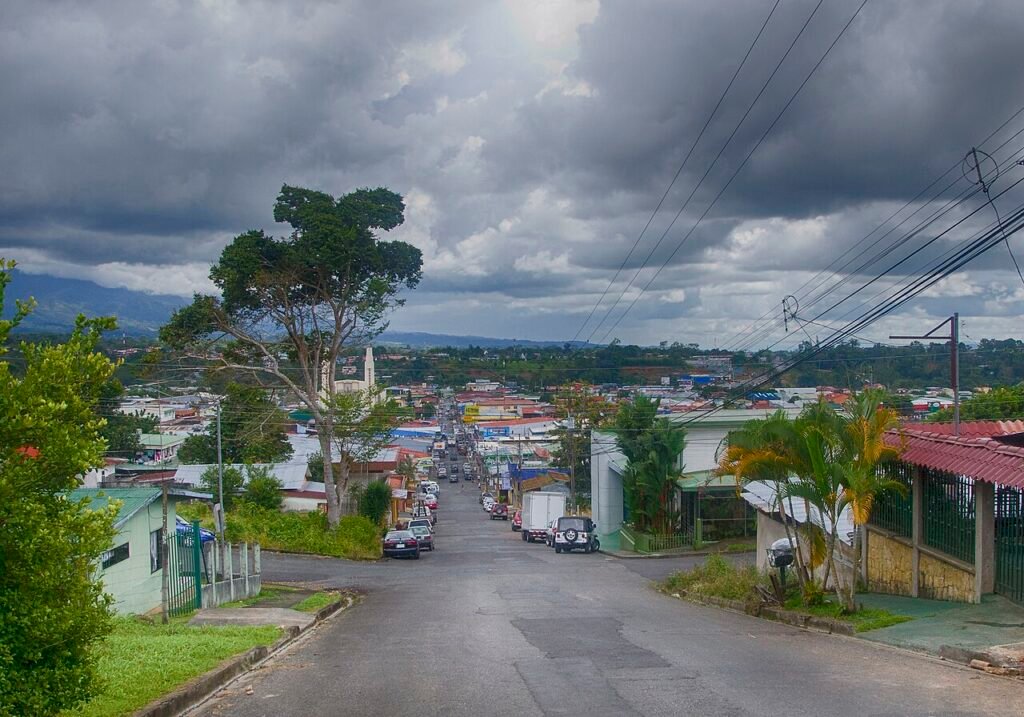
In the mountains around San Isidro de El General, housing is generally more affordable than in popular coastal communities such as Dominical, Uvita, or Ojochal. The cooler climate often means you can do without air conditioning.
Where you shop matters, too. Someone who buys produce at local farmers’ markets and eats at neighborhood restaurants will have a different budget from someone who wants imported groceries and frequent restaurant meals. The expenses I see people underestimate most often are transportation and vehicle ownership, electricity, property maintenance, and imported goods.
How would you compare two rentals when the advertised rents tell only part of the story?
Take a hypothetical $1,000-a-month rental in the mountains and an $850 rental near the coast. The mountain home could cost less overall if the coastal home needs substantial air conditioning, more driving, or more maintenance. Many mountain homes need neither heating nor cooling.
At each property, check water service, road access, and the availability and reliability of internet. Ask what furniture and appliances come with the home, which utilities are included, who pays for landscaping and maintenance, and how much the security deposit is and on what terms.
Costa Ballena has a substantial vacation-rental market. An attractive rainy-season rate may change in peak tourist season, or the home may no longer be available. Ask whether the rate applies year-round and on what terms you can renew.
How can the road to a home change what it costs to live there?
Imagine one retiree renting ten minutes outside San Isidro de El General, on a paved road close to supermarkets, restaurants, and medical services. Another finds a mountain home with spectacular views, half an hour from the nearest major town, with several kilometers of steep, unpaved road.
The second home might rent for less, but its resident may need a four-wheel-drive vehicle, spend more on fuel and maintenance, and spend considerably more time driving. A road that seems manageable on a sunny afternoon in February can be a different experience in September or October.
San Isidro is a regional commercial and medical center. From a more remote community, specialized care may mean a longer trip. When comparing homes, I’d count both the time and the cost of getting to the places you’ll visit regularly.
How should a household separate moving costs, monthly expenses, and money for surprises?
I’d start with three separate amounts. The first is the cash you’ll need to move and get settled. Airfare, shipping belongings, immigration and legal fees, rental deposits, a vehicle, and furnishings can use up a substantial sum before you’ve spent a full month in your new home.
The second is what it costs to live there each month. Include housing, utilities, groceries, transportation, healthcare, insurance, communications, entertainment, and routine maintenance.
The third is a reserve for expenses such as a vehicle repair, a medical need, emergency travel, or unexpected property maintenance. I generally encourage newcomers to keep several months of living expenses readily accessible, separate from the money set aside for the move or a property purchase.
Get individual quotes for private health insurance, international shipping, immigration services, legal fees, a vehicle, and maintenance or insurance for a specific property. Those costs depend too much on your circumstances to rely on a generic online estimate.
What can a trial stay tell you that an online budget can’t?
Rent the kind of home you’d actually live in, preferably in one of the communities you’re considering. Shop for groceries, cook meals, eat at local restaurants, drive the roads you’d use, and see where you’d go for medical care. Pay attention to what you spend on electricity and transportation.
You might discover you love shopping at the local farmers’ market and don’t miss imported foods. Or you may find there are products you want enough to budget for. A trial stay can also tell you whether you prefer the warmth of the coast or the cooler elevations around Pérez Zeledón.
When someone shares a cost-of-living figure, ask when it was published, whether it’s in U.S. dollars or Costa Rican colones, how many people it covers, and whether housing, healthcare, and transportation are included. A single person renting a small apartment has a different budget from a retired couple with a three-bedroom home and a vehicle. Exchange rates, inflation, and personal habits can all change the result.
What would you check before signing a long lease or buying a home?
I’d ask five questions. Have you spent enough time there to understand the climate, community, infrastructure, and daily routine? Does the monthly budget reflect how you actually live? Can you reach healthcare, shops, and other services? Have you checked this property’s water, internet, road access, and maintenance needs? Will you still have a reserve for unexpected expenses?
If you’re buying, engage an independent Costa Rican attorney to investigate title, boundaries, permitted uses, and access rights before closing. Take immigration questions to qualified immigration counsel, tax questions to someone familiar with the jurisdictions involved, and healthcare or insurance questions to the appropriate providers and advisers.
What people value about Costa Rica often has less to do with saving money than with the landscape, the climate, the pace, and the opportunity to live differently. The goal shouldn’t simply be to find the cheapest place to retire. It should be to find a place where you can comfortably afford the life you actually want to live.