
Peaceful small town street in Costa Rica with colorful buildings, perfect for budget-conscious North American expats

Best Budget-Friendly Towns for North Americans Retiring in Costa Rica

Thinking About Moving to Costa Rica?

Get our free Costa Rica Relocation Starter Guide — visa options, cost of living, and the top 5 towns for expats, all in one PDF.

TL;DR

  • Discover towns where your retirement budget stretches further in Costa Rica.
  • Learn about average living costs and what makes a location affordable.
  • Understand healthcare and visa options tailored for budget-conscious retirees.
  • Get practical tips to maximize your retirement savings in paradise.

What Makes a Town Budget-Friendly for Retirees in Costa

Deciding where to settle down for your golden years is a significant choice, and in Costa Rica, affordability often hinges on a few key factors. It’s not just about the sticker price of a property; it’s about the entire ecosystem of expenses that will shape your daily life. While we can’t offer financial advice, we can illuminate the practical considerations that make certain towns more amenable to a retirement budget.

Colorful streets of a budget-friendly Costa Rica town popular with North American expats

Local Market Prices and cost of living

The most immediate indicator of a towns budget-friendliness is its local market. This encompasses everything from the cost of groceries at the feria (farmers market) to the price of a haircut. Towns that cater heavily to international tourism often see inflated prices, even for basic necessities, as local businesses adjust to a higher spending capacity.

Conversely, communities with a strong local economy and fewer tourist-driven enterprises tend to offer more competitive pricing. For instance, while a beachfront town like Tamarindo might boast stunning ocean views, the cost of a simple meal or a weeks worth of groceries can be significantly higher than in, say, San Ramón in the Central Valley. San Ramón, with its bustling local market and strong agricultural ties, provides a more authentically Tico pricing structure for everyday goods and services.

Availability of Public Services and Infrastructure

Access to reliable and affordable public services plays a crucial role in managing retirement expenses. Towns with well-established public transportation, for example, can significantly reduce your need for a private vehicle, saving on gas, insurance, and maintenance. Similarly, communities with robust public healthcare facilities, while not always offering the same amenities as private options, can provide essential care at a fraction of the cost.

The presence of public utilities like water and electricity that are efficiently managed also contributes to a lower cost of living. When these services are readily available and integrated into the community, it often means less reliance on expensive private alternatives.

Distance from Major Tourist Hubs

This factor is closely linked to local market prices. Generally, the further a town is from a major tourist destination or international airport, the more budget-friendly it tends to be. Tourist hubs, while offering conveniences and amenities, inevitably drive up the cost of living due to increased demand for housing, services, and entertainment.

Moving even an hour or two inland from a popular coastal area can yield substantial savings on rent, food, and even leisure activities. Its a trade-off: you might sacrifice immediate access to certain tourist attractions, but gain a more authentic, and often more affordable, Costa Rican experience. This is why many retirees find their ideal balance in towns that are near popular areas but not in them, allowing for occasional visits without the daily expense.

Is Costa Rica Affordable for Retirement?

One of the most common questions we hear from those dreaming of a tropical retirement is, “Can I afford to retire in Costa Rica?” The answer, like so many things in life, is nuanced, but generally, yes, Costa Rica can be significantly more affordable than retiring in North America. However, it’s crucial to understand that “affordable” is a relative term, and your personal definition will largely depend on your lifestyle choices and where you choose to settle.

Understanding the Cost Spectrum

Costa Rica offers a wide spectrum of living costs, from budget-friendly to surprisingly luxurious. While you might find that certain imported goods, like a specific brand of cereal or a new car, can be more expensive than back home due to taxes and shipping, many local expenses are considerably lower. For instance, fresh, locally grown produce is abundant and incredibly inexpensive.

A trip to the feria (farmers market) can yield a weeks worth of vibrant fruits and vegetables for a fraction of what youd pay at a North American supermarket. Transportation, particularly local buses, is also remarkably affordable, offering a cost-effective way to explore your new surroundings.

Lifestyle Choices: Your Biggest Influencer

Your daily habits and preferences will be the most significant factor in determining your monthly expenses. Do you envision dining out frequently at tourist-centric restaurants, or are you excited to embrace cooking with fresh local ingredients? Are you comfortable with a more modest home, or do you require a sprawling property with all the modern amenities?

For example, weve heard from retirees who comfortably live on $1,500-$2,000 USD per month by renting a modest home outside of a major tourist hub, cooking most of their meals, and utilizing public transportation. On the other hand, those seeking a luxury condo in a popular beach town, frequenting upscale establishments, and owning a car might find their expenses closer to or even exceeding what they paid in North America.

Location, Location, Location

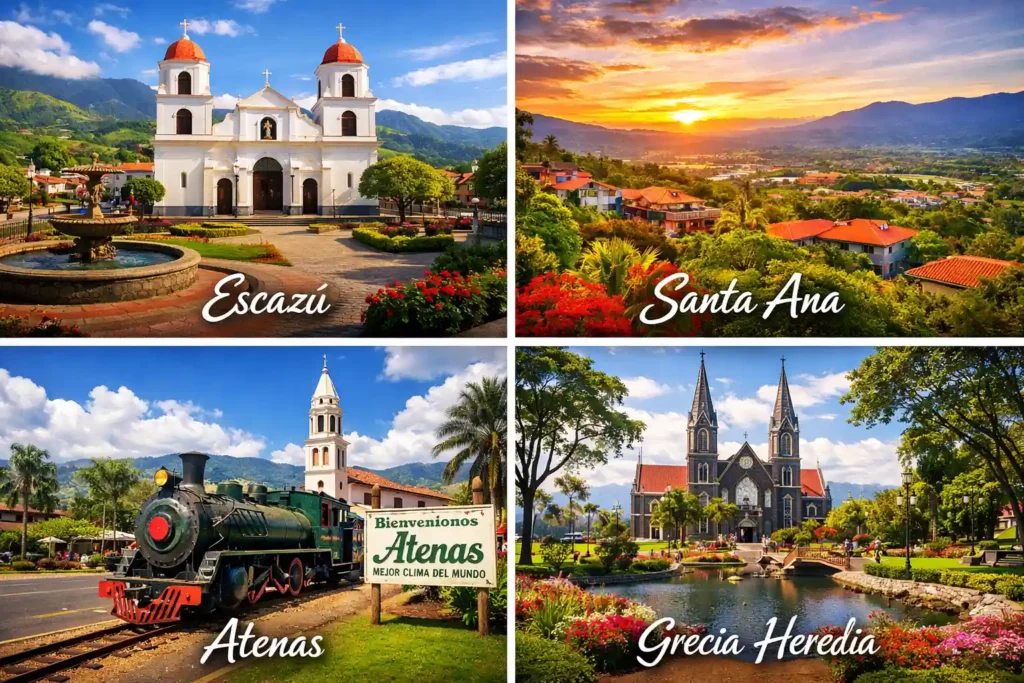
Just as in any country, real estate and living costs vary dramatically depending on your chosen region. Coastal towns popular with expats, like Tamarindo or Jacó, tend to have higher rents and property prices due to demand and tourism. Conversely, inland towns and cities in the Central Valley, such as Grecia or Atenas, often offer a more authentic Costa Rican experience with significantly lower costs for housing and everyday goods.

These areas provide a pleasant climate, a slower pace of life, and easy access to amenities without the premium price tag of a beachfront locale. Researching different regions and considering what truly matters to you in terms of environment and community will be key to finding your ideal, affordable retirement spot.

What Are the Cheapest Places to Live in Costa Rica?

While Costa Rica is often perceived as an expensive destination, especially in its more tourist-centric zones, there are numerous charming and affordable locales that offer a high quality of life without breaking the bank. The key is to venture beyond the well-trodden paths and embrace a more local, authentic experience. It’s crucial to remember that “cheapest” is relative, and costs can vary significantly based on your lifestyle, housing choices, and spending habits. We always recommend visiting any potential new home before making a commitment to truly gauge its suitability for your personal needs and budget.

Heredia

Nestled in the Central Valley, Heredia, often referred to as the “City of Flowers,” offers a delightful blend of urban convenience and natural beauty. Its pleasant climate, characterized by comfortable temperatures year-round, makes it an attractive option for those seeking an escape from extreme heat or cold. Heredia boasts a vibrant local community, with a strong sense of Tico culture, and provides easy access to San José for those who desire occasional city amenities. While not the absolute cheapest on this list, its estimated cost of living is significantly lower than coastal areas, particularly for housing and local produce.

San Ramón

For those yearning for a truly authentic Costa Rican experience, San Ramón delivers. This bustling town, perched in the western Central Valley, is renowned for its genuine Tico culture and a slower pace of life. You’ll find fewer tourist traps here and a greater emphasis on local businesses, which translates directly into a lower cost of goods. From fresh produce at the feria (farmer’s market) to everyday necessities, your money will stretch further in San Ramón, allowing for a comfortable lifestyle on a more modest budget.

Grecia

Grecia consistently ranks high for its cleanliness and the warmth of its friendly locals. This charming town, situated amidst rolling coffee plantations, prides itself on its well-maintained public spaces and a strong community spirit. Its agricultural economy means that fresh, affordable produce is readily available, contributing to a lower overall cost of living. The sense of safety and community here is palpable, making it an appealing choice for those seeking a tranquil and welcoming environment.

Atenas

Atenas proudly claims to have “the best climate in the world,” a bold statement that many residents readily attest to. Its consistent, spring-like temperatures, thanks to its unique microclimate, make it a comfortable place to live year-round without the need for air conditioning or heating. Beyond the climate, Atenas boasts a thriving expat community alongside its Tico residents, fostering a welcoming and supportive environment. This blend of cultures often leads to a variety of community activities and social opportunities, making it easy to integrate and feel at home.

Ciudad Quesada (San Carlos)

As the regional hub of the Northern Zone, Ciudad Quesada, often simply called San Carlos, offers a more urbanized experience than some of its counterparts on this list, but at a significantly lower cost than San José. This vibrant city provides a diverse array of services, from modern shopping centers to excellent medical facilities, making it a practical choice for those who appreciate convenience. Its position as a regional center means that you’ll find a wider selection of goods and services, often at more competitive prices, while still enjoying the natural beauty of the surrounding area.

Puriscal

For those truly seeking to maximize their budget and embrace a rural lifestyle, Puriscal presents an incredibly compelling option. This agricultural canton, located southwest of San José, offers a significantly lower cost of living across the board. Housing, groceries, and local services are remarkably affordable, allowing for a comfortable existence on a very modest income. While it requires a willingness to embrace a quieter, more traditional way of life, Puriscal offers genuine Costa Rican charm and a strong sense of community for those looking to truly unplug and live simply.

What is the Cost of Living in Costa Rica for Expats?

One of the most frequently asked questions we receive from aspiring expats is, How much does it really cost to live in Costa Rica? Its a vital question, and the answer, while not always straightforward, is certainly manageable for many. While Costa Rica offers an undeniably high quality of life and stunning natural beauty, its not always the cheap destination some might imagine.

The truth is, your cost of living will largely depend on your lifestyle choices, where you choose to settle, and how adept you become at living like a local. Well break down the key components of a typical expat budget, keeping in mind that these are estimates and your personal experience may vary.

Cost of Living Comparison: Town by Town

To provide a clearer picture, weve compiled a comparison of estimated monthly expenses for a 1-2 bedroom rental, groceries, utilities, and local transportation in some of Costa Ricas popular expat destinations. Please remember these figures are averages and can fluctuate based on your specific needs and preferences. For instance, a couple who enjoys cooking at home and utilizes local farmers markets (ferias) will likely spend less on food than someone who dines out frequently.

Similarly, choosing a home with air conditioning will significantly impact your electricity bill, especially in warmer coastal regions. We always recommend visiting your prospective towns for an extended period before making a final decision. This firsthand experience will allow you to gauge local prices, explore housing options, and truly understand the rhythm of life in that particular area.

Town/Region1-2 Bedroom Rent (USD)Groceries (USD)Utilities (USD)Transportation (USD)Notes
San José (Central Valley)$600 – $1,200$400 – $600$100 – $250$50 – $150More urban amenities, cooler climate.
Tamarindo (Guanacaste)$800 – $1,800$500 – $800$150 – $350$80 – $200Popular beach town, higher tourism influence.
La Fortuna (Alajuela)$500 – $1,000$350 – $550$100 – $250$40 – $120Near Arenal Volcano, eco-tourism focus.
Dominical/Uvita (South Pacific)$700 – $1,500$450 – $700$120 – $300$70 – $180Lush, laid-back beach towns, often requiring 4×4.
Grecia (Central Valley)$450 – $900$300 – $500$80 – $200$30 – $100Known for its pleasant climate and strong community.

Please note: “Utilities” typically include electricity, water, internet, and sometimes gas. “Transportation” assumes a mix of public transport and occasional taxi/ride-share, or fuel for a personal vehicle.

there’s a significant range, even within the same category. For example, a friend of ours living in Grecia manages to keep their monthly grocery bill consistently around $350 by frequenting the local feria (farmer’s market) and cooking most meals at home, while another expat we know in Tamarindo easily spends upwards of $700 due to a preference for imported goods and dining out several times a week. These real-world examples highlight how personal choices directly impact your budget. The key is to understand your priorities and adapt your spending habits to align with the local economy.

Can I Retire in Costa Rica on $1500 a Month?

The dream of retiring to Costa Rica often conjures images of lush landscapes, pristine beaches, and a relaxed pace of life. For many, the allure is coupled with the hope of a significantly lower cost of living than in their home country. The good news is that retiring in Costa Rica on a budget of $1500 a month is indeed possible , but it requires a realistic understanding of what that entails.

This isnt about living a life of luxury, but rather embracing a simpler, more integrated lifestyle. It demands careful planning, a willingness to adapt, and a genuine desire to immerse yourself in the local culture. Your ability to thrive on this budget will largely depend on your personal expectations and how readily you can adjust to a different way of life.

The Reality of $1500: Lifestyle Adjustments are Key

To comfortably manage a $1500 monthly budget in Costa Rica, significant lifestyle adjustments are not just recommended, they are essential. This budget necessitates a departure from many conveniences and consumption patterns common in North America or Europe. Think local: shopping at ferias (farmers markets) for fresh produce, opting for public transportation or walking instead of owning a car, and cooking at home rather than frequently dining out.

For example, a friend of mine, Sarah, who retired to Grecia, found that her grocery bill plummeted when she started buying her fruits and vegetables directly from the local feria twice a week. She often shares how a weeks worth of fresh, organic produce costs her less than a single restaurant meal back home. This budget also means choosing more modest housing outside of tourist hotspots, foregoing air conditioning for ceiling fans and open windows, and embracing a more minimalist approach to possessions.

Its about prioritizing experiences and community over material goods.

Embracing Local Living for Budget Success

The most effective strategy for making $1500 stretch in Costa Rica is to genuinely embrace local living. This means stepping away from expat enclaves and seeking out communities where Ticos (Costa Ricans) live and work. Renting an apartment or small house in a non-touristy town will be significantly more affordable than in popular coastal areas or the Central Valleys more upscale neighborhoods.

Learning some basic Spanish will also be incredibly beneficial, not only for navigating daily life but also for building relationships and accessing local prices. Eating at sodas – small, family-run restaurants serving traditional Costa Rican meals – will be your go-to for affordable and delicious dining. These establishments offer hearty casados (a plate with rice, beans, salad, a protein, and plantains) for just a few dollars.

Furthermore, engaging with local activities and making friends within the community can lead to more authentic and less expensive entertainment options than those geared towards tourists. Remember, costs can vary widely depending on your location and individual choices, so thorough research and a preliminary visit are invaluable steps in determining if this budget aligns with your retirement dreams.

Navigating Healthcare and Visas on a Budget

Retirement abroad, while offering a world of new experiences, also brings practical considerations, particularly concerning healthcare and legal residency. Approaching these aspects strategically, and with a keen eye on your budget, is paramount to a smooth transition.

Healthcare Options for Retirees

Access to reliable and affordable healthcare is often a top priority for retirees, and thankfully, many popular retirement destinations offer robust options. In countries like Costa Rica, for instance, the public healthcare system, known as CAJA, is a highly regarded and cost-effective choice for residents. Once you establish legal residency and contribute to the system, you gain access to a comprehensive network of hospitals and clinics, often at a fraction of the cost of private care.

While wait times for certain procedures can sometimes be longer in public systems, the quality of care is generally excellent. For those who prefer the speed and convenience of private facilities, or who desire more specialized care, private insurance remains a viable option. Many international private insurance providers offer plans tailored to expatriates, and local private insurance markets can also be explored.

Its crucial to research both public and private options in your chosen country, comparing coverage, costs, and accessibility to determine the best fit for your individual needs and budget. Remember, what works for one person might not work for another, so a thorough investigation is key.

Residency Visas for Retirees

Securing the appropriate visa is the legal cornerstone of your retirement abroad. Many countries offer specific visa categories designed for retirees, often with distinct income requirements. Two common examples are the Pensionado and Rentista visas.

A Pensionado visa typically requires proof of a consistent pension income, while a Rentista visa might be suitable for those with other forms of passive income, such as rental properties or investments. The income thresholds for these visas vary significantly by country and are subject to change, so its absolutely essential to consult the official government websites or the embassy/consulate of your target country for the most up-to-date and accurate information. For example, some countries might require a minimum monthly income of $1,000 USD for a Pensionado visa, while others could demand significantly more.

Do not rely on anecdotal evidence or outdated information; always go directly to the source. Understanding these requirements and planning your finances accordingly is a non-negotiable step in your journey to retiring abroad.

Tips for Stretching Your Retirement Budget in Costa Rica

Retiring in Costa Rica offers an unparalleled blend of natural beauty and a relaxed pace of life, but making your retirement savings last requires a savvy approach. While the cost of living can be significantly lower than in many Western countries, understanding how to maximize your budget is key to a comfortable and sustainable lifestyle. Here are some practical strategies to help you stretch your dollars further in paradise.

Embrace Local Markets and Cuisine

One of the most enjoyable and effective ways to save money in Costa Rica is by immersing yourself in the local culinary scene. Forget the imported goods at large supermarkets; your budget will thank you for frequenting the vibrant ferias – the local farmers markets. Here, youll find an abundance of fresh, seasonal produce at a fraction of the cost youd pay elsewhere.

Imagine a weekly haul of ripe mangoes, avocados, plantains, and a rainbow of vegetables for what might barely cover a single specialty item back home. Beyond groceries, make friends with the sodas, the small, family-run restaurants serving traditional Costa Rican fare. A casado, a hearty plate of rice, beans, plantains, salad, and your choice of meat or fish, can often be had for just a few dollars.

Not only is this a delicious and authentic experience, but it’s also a remarkably economical way to dine out regularly.

Transportation Strategies

Navigating Costa Rica without breaking the bank on transportation requires a strategic mindset. While owning a car offers convenience, it comes with significant costs, including import duties, insurance, and maintenance. For many retirees, the extensive public bus system proves to be an incredibly affordable and reliable alternative.

Buses connect nearly every town and city, and fares are remarkably low – often just a dollar or two for even longer journeys. For shorter distances or occasional needs, ride-sharing services are becoming increasingly prevalent in urban areas, offering a flexible option without the overhead of car ownership. Consider your typical travel patterns; if you plan to stay primarily in one area and only take occasional trips, relying on public transport and ride-shares can lead to substantial savings.

Housing Hacks

Your housing choice will likely be your largest expense, making it a prime area for budget optimization. The golden rule here is to prioritize long-term rentals. Short-term vacation rentals, while convenient for initial visits, come with a premium.

Once youve identified an area you love, seek out properties available for six months or a year, as landlords are often willing to offer more favorable rates for committed tenants. Dont be afraid to negotiate rent, especially if youre looking to sign a longer lease or if the property has been vacant for a while. Many landlords are open to discussion, particularly outside of peak tourist seasons.

Consider exploring areas slightly off the main tourist routes; these often offer more affordable housing options while still providing access to amenities and a genuine local experience.

Community Engagement and Activities

Staying active and engaged doesnt have to be expensive in Costa Rica. Many of the most enriching experiences are free or low-cost. Embrace the natural beauty around you with walks on the beach, hikes in national parks (often with a modest entrance fee), or simply enjoying the vibrant local parks.

Community centers and local organizations frequently offer free or inexpensive classes, from yoga to dance. Learning Spanish is not only a fantastic way to integrate and enrich your experience but also opens doors to free language exchange groups and community events. For example, many towns host free cultural festivals or live music events in their central plazas, providing entertainment and a chance to connect with locals and other expats without spending a dime.

Actively seeking out these local opportunities will not only save you money but also deepen your connection to your new home.

FAQs about Budget Retirement in Costa Rica

Navigating the nuances of retiring on a budget in a new country can spark a flurry of questions. We’ve compiled answers to some of the most common inquiries from prospective retirees, offering practical insights to help you plan your Pura Vida chapter. Remember, while we provide general guidance, individual costs and experiences can vary significantly.

Is healthcare expensive for retirees in Costa Rica?

One of the most appealing aspects of retiring in Costa Rica is its robust and affordable healthcare system. Retirees who obtain legal residency are typically eligible to join the Caja Costarricense de Seguro Social (CCSS), the national public healthcare system, often referred to simply as Caja. Contributions to Caja are usually based on a percentage of your reported income, making it remarkably budget-friendly compared to private insurance in many Western countries.

While the public system offers comprehensive care, including doctor visits, specialists, prescriptions, and surgeries, wait times for certain procedures can be longer. Many budget-conscious retirees opt for a hybrid approach, utilizing Caja for routine care and minor issues, and then paying out-of-pocket for private clinics or hospitals for more immediate or specialized needs. For example, a friend living in Grecia recently shared that a private specialist visit cost her around $80, a fraction of what she would have paid in the US without insurance, demonstrating the accessibility of private care even on a budget.

Its important to factor in these potential out-of-pocket expenses when budgeting, though they are generally quite manageable.

Do I need to speak Spanish to retire in Costa Rica on a

While not strictly mandatory, having at least a basic grasp of Spanish will significantly enhance your budget retirement experience in Costa Rica. In tourist-heavy areas and larger cities, youll find English speakers, especially in the service industry. However, venturing into more budget-friendly, local towns often means fewer English speakers.

Learning Spanish will empower you to negotiate prices, understand local customs, navigate public transportation more efficiently, and truly integrate into the community, potentially unlocking better deals on rentals, groceries, and services. It also opens doors to richer cultural experiences and deeper connections with locals. Many retirees find that even a few months of dedicated language learning before or upon arrival makes a world of difference.

Consider it an investment that pays dividends in both financial savings and quality of life.

What are the biggest unexpected costs for budget retirees

Even with careful planning, unexpected costs can arise. One common surprise for budget retirees is the cost of importing personal belongings. While some items can be brought in duty-free, others can incur significant taxes, making it more economical to purchase new items locally.

Another often-overlooked expense is transportation. While public buses are incredibly affordable, relying solely on them can limit your flexibility, especially in more rural areas. Owning a car comes with its own set of costs, including high import duties for used vehicles, insurance, and maintenance, which can be more expensive than anticipated.

Additionally, utility costs, particularly electricity, can be higher than expected, especially if you rely on air conditioning in warmer regions. Finally, dont underestimate the cost of convenience. While local markets offer fantastic deals, opting for imported goods or Western-style amenities can quickly inflate your grocery or entertainment budget.

Always build a buffer into your budget for these unforeseen expenses.

How can I test out a budget-friendly town before moving

Testing the waters before making a permanent move is crucial, especially when aiming for a budget-friendly retirement. The best approach is to plan an extended visit, ideally for several weeks or even a few months, during which you can live like a local. Rent a long-term Airbnb or a furnished apartment in your target town, rather than staying in tourist accommodations.

This allows you to experience daily life, shop at local markets, use public transportation, and get a realistic sense of living costs. Engage with the expat community and locals to gather firsthand insights. Consider volunteering or joining local clubs to immerse yourself further.

This trial period will help you identify if the town truly aligns with your budget and lifestyle expectations, allowing you to make an informed decision before committing to a permanent relocation.

Deep Dive AI Prompts

Now that we’ve touched upon the foundational principles of leveraging AI for your Costa Rica retirement planning, let’s explore how to craft prompts that yield truly insightful and actionable results. Think of your AI assistant not as a magic eight-ball, but as a highly sophisticated research assistant ready to tackle complex queries – provided you give it the right instructions. The key here is specificity, context, and a clear understanding of your desired output.

Crafting Specific and Contextual Queries

General questions lead to general answers. To unlock the true power of AI, you need to infuse your prompts with detail and relevant context. Instead of asking, How much does it cost to live in Costa Rica?, which will likely give you a broad, unhelpful range, consider a prompt like this: Create a hypothetical monthly budget breakdown for a couple retiring in Grecia, Costa Rica, aiming for under $2000, including rent, utilities, food, transportation, and entertainment.

Notice the difference? Weve specified the location (Grecia), the target demographic (a couple), a budget ceiling ($2000), and a comprehensive list of categories. This level of detail allows the AI to draw upon its vast knowledge base to provide a much more tailored and useful response.

Remember, the more information you provide about your specific situation and needs, the more relevant and practical the AIs output will be.

Utilizing AI for Practical Planning

Beyond budget breakdowns, AI can be an invaluable tool for practical, day-to-day planning. Imagine needing to understand local market dynamics or cultural integration tips. Instead of sifting through countless articles, you can prompt the AI directly.

For instance, you could ask: Generate a sample weekly grocery list for a single retiree living on a budget in San Ramón, Costa Rica, focusing on local, seasonal produce and staple items. This prompt goes beyond just costs; it delves into practical living, considering local availability and budget-conscious choices. The AI can then provide a list that might include items like plantains, yucca, rice, beans, and seasonal fruits readily available in a San Ramón feria (farmers market), offering a tangible starting point for your grocery shopping.

This kind of practical output can save you hours of research and help you visualize your daily life in your potential new home.

Exploring Cultural Nuances and Integration

Integrating into a new culture is just as important as managing your finances. AI can help you navigate these often-subtle aspects. Consider a prompt like: List 5 common cultural nuances or practices in Costa Rica that could help a budget-conscious expat save money or integrate more smoothly into local life.

This encourages the AI to think beyond just financial figures and delve into social customs. The AI might suggest things like embracing public transportation (buses are incredibly affordable!), learning basic Spanish phrases to build rapport and potentially get better deals, or understanding the rhythm of local markets where prices are often more flexible. These insights are not just about saving money; theyre about fostering a deeper connection with your new community and enriching your overall experience.

What Makes a Town Budget-Friendly for Retirees in Costa

Choosing a retirement haven in Costa Rica often comes down to finding that sweet spot where quality of life meets financial comfort. While the allure of pristine beaches and lush rainforests is undeniable, understanding what truly makes a town budget-friendly for retirees is paramount. It’s not just about the sticker price of a rental; it’s about the intricate dance of local market dynamics, the accessibility of essential services, and how far you are from the bustling tourist centers.

Local Market Prices and Cost of Living

The most significant driver of affordability in any Costa Rican town is its local market. This encompasses everything from the cost of your daily groceries to the price of a haircut. Towns that cater primarily to locals, rather than international tourists, will almost invariably offer more favorable prices.

Think about your weekly trip to the feria (farmers market). In a town like San Ramón, for instance, youll find an abundance of fresh, locally grown produce at a fraction of the cost you might encounter in, say, Tamarindo. This isnt just about food; it extends to local services, household goods, and even the price of a simple meal out.

The more a town relies on its own internal economy, the less susceptible it is to the inflated prices often associated with high tourism.

Availability of Public Services

Access to reliable and affordable public services plays a crucial role in managing your retirement budget. This includes everything from public transportation to healthcare. Towns with well-established public bus routes, for example, can significantly reduce your need for a private vehicle, which comes with its own set of expenses (fuel, insurance, maintenance).

Similarly, while many expatriates opt for private healthcare, the presence of a robust public healthcare system (CAJA) can offer a valuable safety net and reduce out-of-pocket expenses for certain treatments or emergencies. When evaluating a town, consider the ease of access to these services and how they might impact your daily expenditures.

Distance from Major Tourist Hubs

Its a simple economic truth: the further you are from a major tourist hub, the more affordable life tends to be. Tourist centers, by their very nature, attract higher prices for everything from accommodation to dining and activities. While these areas offer vibrant social scenes and diverse amenities, they often come with a premium.

Towns a little off the beaten path, while still offering charm and necessary conveniences, can provide a much more budget-friendly experience. This doesnt mean you have to be completely isolated; many affordable towns are just a short drive from popular destinations, allowing you to enjoy the best of both worlds without the constant financial pressure of living directly within a tourist hotspot.

Is Costa Rica Affordable for Retirement?

One of the most common questions we hear from aspiring expats is whether a comfortable retirement in Costa Rica is truly within reach financially. The short answer is, “yes, for many, it absolutely is.” Compared to the rising costs of living in North America, Costa Rica often presents a significantly more affordable option, allowing retirees to stretch their savings further and enjoy a higher quality of life. However, it’s crucial to understand that “affordable” is a relative term, and your personal definition will largely depend on your lifestyle choices and where you decide to settle down.

Understanding the Cost Spectrum

Costa Rica isnt a monolithic entity when it comes to expenses. Youll find a wide spectrum of costs, much like comparing a bustling city to a quiet rural town in your home country. For instance, living in a popular expat hub like Tamarindo, with its beachfront properties and tourist-oriented services, will naturally be more expensive than, say, a charming mountain town like San Isidro de El General.

In the Central Valley, you might find a spacious, modern two-bedroom apartment for $800-$1,200 USD per month, while a similar property on the Pacific coast could easily command upwards of $1,500-$2,500 USD. Utilities, groceries, and transportation also follow this pattern, with more remote or less touristy areas generally offering lower prices.

Lifestyle Choices: Your Budget’s Best Friend

Beyond location, your daily habits will be the biggest determinant of your monthly expenditures. Do you envision dining out frequently at upscale restaurants, or are you content with cooking at home and exploring local sodas (small, family-run restaurants serving traditional Costa Rican fare)? Do you require a late-model SUV, or is public transportation and the occasional taxi sufficient?

For example, one couple we know, Martha and John from Colorado, initially budgeted for a more North American-centric lifestyle. After a few months, they realized that by embracing local markets for fresh produce, using buses for inter-city travel, and enjoying the simple pleasures of their community in Atenas, their monthly expenses dropped by nearly 30% without sacrificing their comfort or happiness. They found that their $2,500 USD monthly budget, which felt tight back home, afforded them a truly comfortable and fulfilling life in Costa Rica.

This flexibility and willingness to adapt are key to unlocking the affordability potential here.

Beyond the Numbers: The Value Proposition

While we cant offer specific financial advice, we can emphasize that the perceived value of your spending in Costa Rica often far exceeds what you might experience elsewhere. The ability to enjoy fresh, organic produce year-round, access to stunning natural beauty, a slower pace of life, and a generally lower cost for services like house cleaning or gardening, all contribute to a feeling of abundance that goes beyond mere dollar figures. Its about what your money can buy in terms of experiences and quality of life, not just goods and services.

Before making any commitments, we highly recommend an extended visit to your preferred regions. This allows you to experience the local rhythm, scout out potential living arrangements, and get a true feel for the daily costs that align with your envisioned retirement.

What Are the Cheapest Places to Live in Costa Rica?

While Costa Rica is often perceived as a pricier Central American destination, there are still numerous pockets where a comfortable, affordable life is not just a dream, but a daily reality. The key lies in looking beyond the well-trodden tourist paths and embracing the authentic rhythms of Tico life. When considering these locations, remember that “cheap” is relative, and your personal spending habits will always play a significant role. However, these towns consistently offer a lower cost of living compared to the bustling coastal areas or the more expat-heavy enclaves.

Heredia

Nestled in the Central Valley, Heredia offers a compelling blend of urban convenience and a more relaxed pace. Known for its pleasant climate and a vibrant, established community, it’s a popular choice for those seeking a balance. You’ll find a good range of services, universities, and cultural activities, all within a more manageable budget than San José. While not the absolute cheapest, Heredia provides excellent value for its amenities and welcoming atmosphere.

San Ramón

For those truly seeking an authentic Tico experience, San Ramón is a gem. This charming town, often referred to as the “City of Poets,” boasts a genuine Costa Rican culture that is both vibrant and welcoming. One of its most attractive features for budget-conscious individuals is the significantly lower cost of goods, from groceries to local services. You’ll find bustling farmers’ markets overflowing with fresh produce at remarkably affordable prices, allowing your colones to stretch considerably further.

Grecia

Grecia consistently ranks high for its cleanliness and the genuinely friendly nature of its locals. This picturesque town, with its iconic red metal church, is surrounded by an agricultural economy, which contributes to a lower cost of living, particularly for fresh food. The community here is known for being incredibly welcoming to newcomers, making it easier to integrate and feel at home without breaking the bank.

Atenas

Atenas proudly claims to have “the best climate in the world,” a bold statement that many residents readily attest to. Its consistent, spring-like temperatures year-round are a major draw. Beyond the perfect weather, Atenas offers a well-established expat community that blends seamlessly with the local population, fostering a supportive and engaging environment. While slightly more developed than some of the other towns on this list, it still maintains a comfortable affordability, particularly when compared to coastal hotspots.

Ciudad Quesada (San Carlos)

As the regional hub of the Northern Zone, Ciudad Quesada, also known as San Carlos, provides a diverse array of services and amenities that you might not expect in a more affordable location. It boasts excellent medical facilities, a wide range of shopping options, and a bustling local economy. This makes it an ideal choice for those who desire access to modern conveniences and healthcare without the high price tag often associated with larger cities.

Puriscal

For those truly seeking to embrace a rural, tranquil lifestyle with a significantly lower cost of living, Puriscal is an excellent contender. Nestled amidst rolling hills and coffee plantations, Puriscal offers a slower pace of life and a strong sense of community. While amenities might be more basic than in larger towns, the savings on rent, groceries, and everyday expenses can be substantial. It’s a place where you can truly immerse yourself in the natural beauty and quiet charm of Costa Rica without stretching your budget.

What is the Cost of Living in Costa Rica for Expats?

One of the most common questions we receive from aspiring expats is, How much does it really cost to live in Costa Rica? Its a vital question, and the answer, as with many things in this beautiful country, is it depends! Your lifestyle, where you choose to settle, and your personal preferences will all play a significant role in your monthly expenditures.

While we cant offer financial advice, we can provide practical insights and real-world estimates to help you plan your budget. The good news is that for many, a comfortable life in Costa Rica is indeed achievable, often for less than in their home countries, but it requires thoughtful planning and an understanding of local nuances.

Cost of Living Comparison: Town by Town

To give you a clearer picture, weve compiled estimated monthly costs for key categories across some of Costa Ricas most popular expat destinations. These figures are designed to be a helpful starting point, reflecting a comfortable, mid-range expat lifestyle. Remember, these are estimates, and your actual costs could be higher or lower depending on your choices.

For instance, a couple who loves to cook at home and shops at local ferias (farmers markets) will likely spend significantly less on groceries than someone who dines out frequently at tourist-centric restaurants. Similarly, choosing a home with air conditioning in a hot coastal town will invariably increase your utility bill compared to a cooler, mountain locale where AC isnt necessary.

Town/Region1-2 Bedroom Rent (USD)Groceries (USD)Utilities (USD)Transportation (USD)Notes on Variations
Central Valley (e.g., Escazú, Santa Ana)$800 – $1,800$400 – $700$150 – $350$100 – $300Higher end for modern condos; public transport is good, but a car offers more freedom.
Pacific Coast (e.g., Tamarindo, Jacó)$1,000 – $2,500$500 – $800$200 – $500$150 – $400Rent varies wildly with proximity to beach; AC is almost a necessity, driving up utility costs.
Southern Zone (e.g., Dominical, Uvita)$700 – $1,500$450 – $750$150 – $400$150 – $350More rural, often requiring a 4×4; local markets offer excellent value for produce.
Caribbean Coast (e.g., Puerto Viejo)$600 – $1,200$400 – $700$120 – $300$100 – $250Laid-back vibe, often smaller homes; transportation often by bicycle or local bus.
Arenal/La Fortuna$700 – $1,400$400 – $650$130 – $320$100 – $300Cooler climate reduces AC needs; car recommended for exploring the region.

A Note on Groceries: While imported goods can be expensive, focusing on fresh, local produce, meats, and dairy can significantly reduce your grocery bill. For example, a visit to the feria in Heredia, just north of San José, can yield a week’s worth of fresh fruits and vegetables for a fraction of what you’d pay at a large supermarket for the same quantity.

The Importance of Visiting: We cannot stress this enough: before making any long-term commitments, spend time in the areas you are considering. Rent an Airbnb, explore the local markets, talk to other expats, and get a true feel for the rhythm of life and the actual costs you might incur. What looks good on paper might not feel right in person, and vice-versa. This firsthand experience is invaluable for accurately assessing your potential cost of living.

Can I Retire in Costa Rica on $1500 a Month?

The dream of retiring to Costa Rica often conjures images of lush rainforests, pristine beaches, and a relaxed pace of life. For many, the question then becomes: is this dream attainable on a modest budget, say, $1500 a month? The answer, while nuanced, is a resounding yes , but it hinges significantly on your lifestyle choices and willingness to embrace local living.

Its crucial to understand that while $1500 can certainly provide a comfortable existence, it wont afford a life of luxury or constant indulgence in tourist-centric activities. This budget demands a thoughtful approach, prioritizing local experiences and smart spending.

Understanding the Nuances of a $1500 Budget

Living comfortably on $1500 a month in Costa Rica is entirely feasible, but it requires a clear understanding of what that budget entails. This isnt a budget for lavish beachfront properties or frequent fine dining. Instead, its a budget for embracing the Pura Vida lifestyle authentically.

Your housing will likely be in a local neighborhood, perhaps a charming casita or apartment, rather than a gated community aimed at expats. Your grocery shopping will involve frequent trips to the feria (farmers market) for fresh, affordable produce, and your meals will often be prepared at home or enjoyed at sodas – small, family-run restaurants offering delicious and inexpensive traditional Costa Rican fare. Transportation will lean towards local buses, walking, or perhaps a scooter, rather than owning a car, which can be surprisingly expensive to maintain and fuel here.

The key is to integrate into the local economy and culture, rather than trying to replicate a North American or European lifestyle.

Strategies for Thriving on a Modest Income

Achieving a comfortable retirement on $1500 a month in Costa Rica isn’t about deprivation; it’s about smart choices and adapting to the local way of life. Here are some actionable strategies:

  • Embrace Local Living: This is perhaps the most significant factor. Renting in towns outside of major expat hubs or tourist zones can dramatically reduce your housing costs. For example, while a two-bedroom apartment in a popular beach town like Tamarindo might easily exceed $1000, you could find a perfectly comfortable, furnished two-bedroom home in a charming, less touristy town like Grecia or Atenas for $500-$700. This allows a significant portion of your budget for other necessities and enjoyable activities.
  • Shop Like a Local: Forget the imported goods at high-end supermarkets. The feria is your best friend for fresh fruits, vegetables, eggs, and often homemade cheeses at a fraction of the cost. Learning to cook with local ingredients not only saves money but also deepens your cultural experience.
  • Utilize Public Transportation: Costa Rica has an extensive and affordable bus system that can get you almost anywhere. For shorter distances, walking is a fantastic way to stay active and explore your surroundings.
  • Prioritize Experiences Over Possessions: Instead of accumulating material goods, focus on enjoying the natural beauty and cultural richness of Costa Rica. Hiking, swimming, exploring national parks (often with resident discounts), and attending local festivals are often free or very low cost.
  • Learn Basic Spanish: While many Costa Ricans in tourist areas speak English, knowing some Spanish will open up more opportunities for local interactions, better deals, and a richer overall experience. It also helps you navigate daily life more efficiently.

Remember, costs can vary significantly based on location, individual habits, and current economic conditions. Before making any long-term commitments, we strongly recommend visiting Costa Rica for an extended period, ideally spending time in the areas you are considering, to truly understand the local costs and lifestyle firsthand. This firsthand experience will be invaluable in determining if a $1500 monthly budget aligns with your personal retirement vision.

Navigating Healthcare and Visas on a Budget

Retiring abroad often conjures images of sun-drenched beaches and endless leisure, but the practicalities of healthcare and residency are paramount, especially when mindful of your budget. These two areas are often intertwined, with visa requirements frequently dictating your access to local healthcare systems. Understanding your options and their associated costs is crucial for a smooth transition and a secure retirement.

Healthcare Options for Retirees

Access to quality healthcare is a non-negotiable for most retirees, and thankfully, many popular retirement destinations offer robust, affordable solutions. Generally, youll encounter two primary avenues: public healthcare systems and private insurance. Countries with well-established public systems, like Costa Ricas CAJA (Caja Costarricense de Seguro Social), often require you to contribute a percentage of your declared income, which then grants you access to their network of doctors, hospitals, and pharmacies.

This can be a significant cost-saver compared to private insurance, particularly for those with pre-existing conditions. For instance, a retiree we spoke with in Costa Rica shared that their monthly CAJA contribution, tied to their modest pension, provided comprehensive care, including specialist visits and prescription medications, at a fraction of what they would have paid for a comparable private plan back home.

Private insurance, on the other hand, offers greater flexibility in terms of provider choice and often shorter wait times. Many international private insurance plans are available, and some countries also have local private options. The cost of private insurance can vary dramatically based on your age, health status, and the level of coverage you choose.

Its essential to meticulously research both public and private options in your chosen country, comparing benefits, deductibles, and out-of-pocket maximums. Remember, costs can vary significantly, so what works for one individual may not be the best fit for another.

Residency Visas for Retirees

Securing the correct visa is the gateway to your retirement abroad, and for many, it’s also the key to accessing local healthcare. The most common visa categories for retirees are typically based on demonstrating a stable income. The “Pensionado” visa, for example, is designed for those receiving a pension, while the “Rentista” visa often caters to individuals with passive income from investments or rental properties. Each country will have specific income requirements, which are subject to change and can vary based on the number of dependents included in the application.

Its imperative to consult the official government websites or the embassy/consulate of your target country for the most up-to-date and accurate information regarding visa categories, income thresholds, and application procedures. Relying on outdated information or unofficial sources can lead to delays or even rejection. Remember, these requirements are not merely bureaucratic hurdles; they are designed to ensure that retirees can comfortably support themselves without becoming a burden on the host countrys resources.

Before making any definitive decisions, we strongly recommend visiting your prospective retirement destination to experience the local healthcare system firsthand and to gain clarity on the visa process. This hands-on approach can provide invaluable insights that no amount of online research can replicate.

Tips for Stretching Your Retirement Budget in Costa Rica

Retiring in Costa Rica offers a dreamlike escape, but making that dream sustainable requires savvy planning. While the cost of living can be significantly lower than in many Western countries, it’s not a free ride. With a thoughtful approach, you can truly maximize your retirement savings and enjoy the Pura Vida lifestyle without constant financial worry. These practical strategies are designed to help you live comfortably and fully embrace your new life in paradise.

Embrace Local Markets and Cuisine

One of the most enjoyable and effective ways to stretch your budget is to immerse yourself in the local culinary scene. Forget the imported goods and embrace the bounty of Costa Rica. The vibrant ferias (farmers markets) are your best friends here.

Not only do they offer an incredible array of fresh, organic produce at a fraction of supermarket prices, but theyre also a wonderful cultural experience. Youll find everything from ripe mangoes and avocados to fresh-caught fish and artisan cheeses. Beyond the ferias, make sodas your go-to for meals out.

These small, family-run restaurants serve delicious, authentic Costa Rican dishes like casados (a plate with rice, beans, plantains, salad, and your choice of meat or fish) for incredibly reasonable prices. For instance, a hearty casado at a local soda in Grecia, a popular expat town, can often be enjoyed for under $5, a stark contrast to the prices youd find at a tourist-oriented restaurant. By prioritizing local ingredients and dining experiences, youll eat well, save money, and truly connect with the heart of Costa Rican culture.

FAQs about Budget Retirement in Costa Rica

Deciding to retire abroad, especially on a budget, naturally brings a host of questions. We’ve compiled some of the most common inquiries from prospective retirees, offering practical insights to help you navigate your journey to a fulfilling life in Costa Rica.

Is healthcare expensive for retirees in Costa Rica?

One of the most appealing aspects of retiring in Costa Rica is its high-quality, affordable healthcare system. Retirees who obtain legal residency are eligible to join the Caja Costarricense de Seguro Social (CCSS), the national public healthcare system. Contributions are typically calculated as a percentage of your declared income, often ranging from 7% to 11%.

This covers a comprehensive range of services, including doctor visits, specialists, hospital stays, and prescription medications. While the public system is excellent, some retirees opt for private insurance for quicker access to certain specialists or to maintain continuity with specific doctors. However, even private care in Costa Rica is generally a fraction of the cost found in many Western countries.

It’s important to note that while the CCSS is robust, there can sometimes be waiting lists for non-urgent procedures, a common characteristic of public healthcare systems globally.

Do I need to speak Spanish to retire in Costa Rica on a

While you can certainly get by in tourist-heavy areas with English, embracing some Spanish will significantly enhance your budget retirement experience. In larger cities and popular expat communities, youll find many English speakers, especially in the service industry. However, venturing into smaller, more authentic towns – often where the best budget opportunities lie – will necessitate at least basic Spanish.

Negotiating prices at local markets, understanding utility bills, and interacting with local service providers become much smoother with some language proficiency. Beyond the practical benefits, speaking Spanish opens doors to deeper cultural immersion and stronger community connections. Many retirees find that learning Spanish becomes a rewarding part of their new life, and there are numerous affordable language schools and tutors available throughout the country.

What are the biggest unexpected costs for budget retirees

While Costa Rica can be very affordable, some costs can catch budget retirees off guard. One common surprise is the cost of imported goods. While local produce and staples are incredibly inexpensive, anything imported – from specific brands of snacks to electronics and certain household items – can carry a hefty price tag due to import taxes.

Another often overlooked expense is transportation, especially if you plan to rely solely on ride-sharing apps or taxis in areas without robust public transport. While buses are incredibly cheap, they may not serve every remote location. For instance, we heard from one retiree, Sarah, who initially budgeted for minimal car ownership, but quickly realized that regular trips to a larger town for specific groceries and social events added up significantly via taxis, leading her to eventually purchase an older, reliable vehicle, which then introduced new costs like insurance and maintenance.

Utilities, particularly electricity, can also be higher than anticipated, especially if you rely heavily on air conditioning in warmer regions. Finally, remember to factor in potential visa renewal costs or fees associated with obtaining residency, as these are ongoing administrative expenses. It’s always wise to add a buffer to your initial budget for these unforeseen expenditures.

How can I test out a budget-friendly town before moving

Testing the waters before making a permanent move is perhaps the most crucial step for a budget-conscious retirement. The best way to do this is through extended visits, ideally for several weeks or even a few months. Renting an Airbnb or a long-term vacation rental in your target town allows you to experience daily life, understand the local rhythm, and assess true living costs.

During this trial period, focus on living as a local would: shop at farmers markets, use public transportation, eat at sodas (local restaurants), and engage with the community. This hands-on experience will reveal if the towns atmosphere, amenities, and cost of living genuinely align with your budget and lifestyle expectations. Consider visiting during different seasons to understand variations in weather and tourist activity.

This immersive approach provides invaluable insights that no amount of online research can replicate, helping you make an informed decision about your future home.

Deep Dive AI Prompts

Now that we’ve established the foundational principles, let’s explore how to craft AI prompts that yield truly valuable, nuanced insights for your Costa Rican retirement planning. Think of your AI assistant not just as a search engine, but as a sophisticated research partner, capable of synthesizing complex information when given the right direction. The key here is specificity, context, and a clear understanding of the AI’s capabilities.

Crafting Context-Rich Queries

The more context you provide, the better the AI can tailor its responses to your unique situation. Instead of a generic Costa Rica retirement costs, consider layering in your specific circumstances. For instance, rather than asking What does a grocery list look like?, elevate your query to: Generate a sample weekly grocery list for a single retiree living on a budget in San Ramón, Costa Rica, focusing on local, seasonal produce and staple items.

This level of detail allows the AI to consider factors like local availability, cost-effectiveness, and even cultural dietary preferences, providing a much more actionable and relevant output. Remember, the AI doesnt know what you dont tell it, so paint as complete a picture as possible.

Asking for Practical, Actionable Information

Beyond just data, you want information you can use . Your prompts should guide the AI towards providing practical steps, considerations, and potential solutions. For example, instead of a broad How do I move to Costa Rica?, refine your prompt to Outline a step-by-step plan for a North American retiree to research and visit 3 budget-friendly towns in Costa Rica within a two-week trip, focusing on practical logistics and cost-saving measures.

This prompt directs the AI to think about travel arrangements, accommodation, inter-town transportation, and even how to evaluate a towns suitability, all within a specific timeframe and budget-conscious mindset. This shifts the AIs role from information provider to strategic planner, offering a tangible roadmap for your initial exploration.

Leveraging AI for Cultural Nuance

One of the most powerful, yet often overlooked, applications of AI in planning is its ability to distill cultural insights. Understanding local customs can not only enrich your experience but also, surprisingly, contribute to your financial well-being. A prompt like List 5 common cultural nuances or practices in Costa Rica that could help a budget-conscious expat save money or integrate more smoothly into local life can unlock invaluable advice.

This might include insights into local markets, public transportation etiquette, or even the importance of building community connections – all of which can indirectly lead to cost savings and a more fulfilling integration. While AI cannot replace lived experience, it can certainly provide a fantastic head start on understanding the social fabric of your potential new home.

Deep Dive AI Prompts

Copy and paste any of these prompts into ChatGPT or Claude to explore this topic further:

  1. Act as a Costa Rica real estate expert and provide a detailed comparison of the top 5 budget-friendly towns for North American retirees, including average housing costs, accessibility to healthcare, and quality of local amenities. Highlight any towns that offer expat communities and explain why these factors matter for retirees on a budget.
  2. Act as a financial advisor specializing in retirement planning and outline the estimated monthly cost of living for a single retiree in three affordable Costa Rican towns. Include expenses such as housing, food, transportation, healthcare, and utilities, and suggest practical tips to keep costs low while maintaining a comfortable lifestyle.
  3. Act as a healthcare consultant familiar with Costa Rica’s medical system and identify which budget-friendly towns offer the best access to quality healthcare facilities for retirees. Explain the availability of English-speaking doctors, hospitals, and emergency services, and provide advice on health insurance options for North American retirees living there.
  4. Act as a cultural integration coach and describe practical strategies for North American retirees to adapt to life in affordable Costa Rican towns. Focus on language learning resources, community involvement, and local customs that help build social connections and ease the transition while living on a budget.

Deep Dive AI Prompts

Copy and paste any of these prompts into ChatGPT or Claude to explore this topic further:

  1. Act as a Costa Rica retirement consultant and provide a detailed comparison of the top five budget-friendly towns for North American retirees, focusing on cost of living, healthcare access, safety, and amenities. Include practical tips on how to find affordable housing and local services in each town.
  2. Act as a financial advisor specializing in international retirement and outline a step-by-step budget plan for North Americans planning to retire in Costa Rica’s affordable towns. Include estimates for monthly expenses, healthcare costs, and unexpected expenses to help retirees maintain financial stability.
  3. Act as a real estate expert in Costa Rica and explain the process of buying or renting property in budget-friendly towns popular with North American retirees. Provide actionable advice on legal considerations, negotiating prices, and finding trustworthy agents or listings.
  4. Act as a cultural integration coach and describe practical ways North American retirees can adapt to life in Costa Rica’s budget-friendly towns. Include tips on learning the language, engaging with local communities, and accessing expatriate support networks to ensure a smooth transition.

Deep Dive AI Prompts

Copy and paste any of these prompts into ChatGPT or Claude to explore this topic further:

  1. Act as a Costa Rica real estate expert and provide a detailed comparison of the top 5 budget-friendly towns for North American retirees, focusing on cost of living, safety, healthcare access, and expat community size. Include practical tips on where to find affordable housing and local amenities.
  2. Act as a financial advisor specializing in international retirement and outline a step-by-step budget plan for North Americans planning to retire in Costa Rica’s affordable towns. Include typical monthly expenses such as housing, food, transportation, and healthcare, and suggest ways to optimize spending.
  3. Act as a cultural integration coach for expats moving to Costa Rica and explain the key cultural differences and local customs retirees should be aware of when settling in budget-friendly towns. Provide actionable advice on how to build connections with locals and other expats to ease the transition.
  4. Act as a healthcare consultant familiar with Costa Rica’s medical system and summarize the accessibility and quality of healthcare services in economical retirement towns. Include information on public vs. private options, insurance requirements, and tips for finding bilingual doctors.

Deep Dive AI Prompts

Copy and paste any of these prompts into ChatGPT or Claude to explore this topic further:

  1. Act as a Costa Rica retirement financial advisor and provide a detailed comparison of the cost of living in the top budget-friendly towns for North American retirees, including housing, healthcare, utilities, and groceries. Highlight which towns offer the best value for different retirement budgets.
  2. Act as a travel and relocation expert specializing in Costa Rica and create a comprehensive guide to the lifestyle, amenities, and community atmosphere in budget-friendly towns popular with North American retirees. Include information on safety, accessibility, and expat support networks.
  3. Act as a healthcare consultant familiar with Costa Rica’s medical system and evaluate the availability and quality of healthcare services in affordable retirement towns. Suggest which towns have the best access to hospitals, clinics, and specialists for retirees on a budget.
  4. Act as a real estate expert focused on Costa Rica and analyze the current housing market trends in budget-friendly towns preferred by North American retirees. Provide insights on property prices, rental options, and tips for purchasing or leasing a home in these areas.
  5. Act as a cultural integration coach and offer practical advice on adapting to local customs and building a supportive community in budget-friendly Costa Rican towns.

Frequently Asked Questions

What are some affordable towns in Costa Rica ideal for

Affordable towns like Grecia, Atenas, and San Ramón are popular among North American retirees due to their low cost of living, pleasant climates, and good healthcare facilities. These towns offer a relaxed lifestyle with access to essential amenities without the high prices found in more touristy areas.

Is healthcare easily accessible in budget-friendly towns in

Yes, many budget-friendly towns have access to quality healthcare, either through local clinics or nearby hospitals. Additionally, Costa Rica’s public healthcare system (Caja) is available to residents, providing affordable medical services, which is a significant advantage for retirees on a fixed income.

Frequently Asked Questions

What are some affordable towns in Costa Rica for retirees

Some budget-friendly towns for retirees include Atenas, Grecia, and San Ramón. These towns offer lower living costs, pleasant climates, and access to essential amenities, making them ideal for North Americans seeking an affordable retirement destination.

Is healthcare accessible and affordable in budget-friendly

Yes, many budget-friendly towns have access to quality healthcare facilities, both public and private. Retirees can benefit from Costa Rica’s affordable healthcare system, with local clinics and hospitals within reasonable distances, ensuring good medical care without high costs.


Ready to Make the Move to Costa Rica?

Whether you’re planning a scouting trip, exploring residency options, or ready to buy your dream property, our team at Costa Rica Havens is here to help. We specialize in guiding North Americans through every step of the relocation process.

Sources & Further Reading

See also: Costa Rica real estate services.

2 thoughts on “Best Budget-Friendly Towns for North Americans Retiring in Costa Rica”

  1. Pingback: Renting vs. Buying in Costa Rica: Which Makes Sense for Retirees? - Costa Rica Havens

  2. Pingback: 2026 Cost of Living Breakdown: How Far Does Your Dollar Go in Costa Rica? - Costa Rica Havens

Leave a Comment

Your email address will not be published. Required fields are marked *