
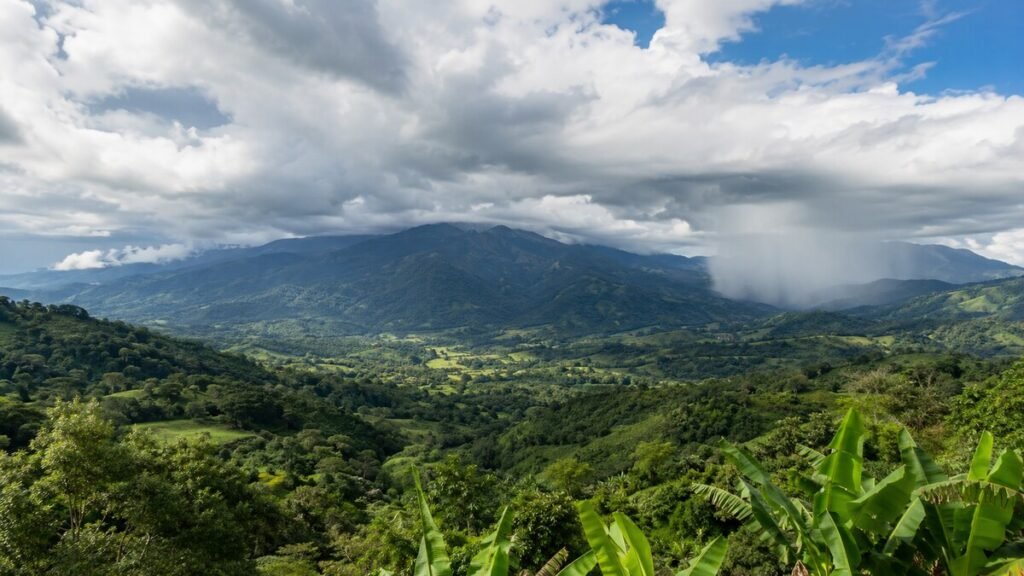
Costa Rica Climate Guide: When and Where to Go
Choose a Costa Rica location by the weather you would live with at a specific address, not just a regional average. Compare heat, rain, humidity and access across seasons. Use this guide to shortlist regions, then test the home and everyday routes during a scouting visit.
Independent planning resource · Verify changing requirements with primary sources
Click or tap to choose a section
To turn climate facts into a location shortlist, use our microclimate matcher and zone comparison.
Understanding Costa Rica’s Climate Zones
Costa Rica is a small country, but its climate varies widely due to differences in altitude, proximity to the ocean, and regional geography. Before deciding where to settle, it’s crucial to understand the main climate zones:
1. Pacific Coast (Guanacaste to Puntarenas)
The Pacific Coast is known for its dry and wet seasons. The northwestern region, especially Guanacaste, is the driest part of Costa Rica, with sunny, warm weather most of the year. This area is popular among retirees looking for sunshine and less humidity.
Dry Season: December through April, with temperatures averaging 85°F to 95°F (29°C to 35°C).
Wet Season: The Pacific wet season broadly falls in May through November, but rain can affect a whole day or disrupt a route. Check the local forecast rather than planning around guaranteed sunny mornings.
For Tamarindo, compare dated rental quotes for the same property standard and lease length in both intended seasons; do not assume a fixed rainy-season discount.
2. Central Valley (San José, Heredia, Alajuela)
The Central Valley, where the capital San José is located, offers a mild, spring-like climate year-round. This region is favored by those who want a balance of city amenities and moderate weather.
Temperatures: Typically range from 65°F to 80°F (18°C to 27°C).
Rainfall: More evenly distributed than the coast, with a noticeable wet season from May to November.
In Escazú or Grecia, inspect the specific home in wet weather and request current rental quotes and utility bills.
3. Caribbean Coast (Limon and Surrounding Areas)
The Caribbean side has a more humid, tropical rainforest climate with rain spread throughout the year. This region experiences less pronounced dry seasons, making it lush and green but also wetter.
Temperatures: Usually 75°F to 88°F (24°C to 31°C).
Rainfall: Frequent and heavy, especially from November to January and again in June and July.
For Puerto Viejo, inspect ventilation, drainage and screens as well as comparing current rent.
4. Mountain and Cloud Forest Regions (Monteverde, San Gerardo de Dota)
Higher elevations bring cooler temperatures and misty conditions. These areas appeal to those who prefer cooler climates and stunning natural beauty.
Temperatures: Can dip to 50°F (10°C) at night and average around 65°F (18°C) during the day.
Rainfall: Consistent throughout the year, especially in cloud forest zones.
For Monteverde, inspect dampness, indoor comfort and road access in the season you intend to live there.
2026 Budget Stress Test
Costa Rica budgets should be tested against less convenient assumptions before they guide a move.
- Run a conservative version with higher rent, private healthcare, car costs, imported goods, insurance, and exchange-rate movement.
- Separate one-time setup costs from recurring monthly spending.
- Keep an emergency reserve for medical care, travel home, housing changes, and bureaucracy delays.
When to Move: Best Seasons for Relocating to Costa Rica
Timing your move can make a big difference in your settling-in experience. Here are some tips on when to plan your relocation:
Move During the Dry Season (December to April)
The Pacific side is broadly drier from December through April, while the Caribbean and northern regions have different rainfall patterns. Compare current routes and accommodation quotes for the actual dates of your snowbird stay or move, and check IMN regional forecasts (in Spanish) closer to departure. A seasonal pattern does not guarantee dry weather or easy access on a particular day.
Flight Costs: Compare dated flights from your actual departure airport, including baggage, connections, ground transport and change terms.
Rental Prices: Obtain current quotes for the same property standard and lease terms in your intended seasons. Do not assume a fixed high-season premium.
Consider the “Green” or Wet Season for Lower Costs
The Pacific green season can bring prolonged rain as well as showers. Caribbean and northern rainfall patterns differ; check local forecasts and route conditions rather than assuming mornings will be sunny.
For a wet-season visit, compare the practical trade-offs as well as dated prices:
- Compare actual rental quotes; a seasonal discount is not guaranteed.
- Compare electricity and water bills for the actual home in the months you intend to stay; cooler weather alone does not establish a lower total bill.
- Check which businesses, activities and transport services operate during your intended dates; a quieter season may also change your everyday options.
Compare the same rental dates, inclusions and lease terms before concluding that one season costs less.
Plan Around Regional Microclimates
Local climate differences matter, but the Nicoya Peninsula is not a guarantee of avoiding heavy wet-season rain. Check the particular town and route.
Elevation and exposure affect comfort in the Central Valley. Inspect the individual home and neighborhood instead of treating the whole valley as one temperature range.
Practical Tips for Living with Costa Rica’s Climate
1. Prepare for Rain and Humidity
Even in the dry season, some regions can experience occasional showers. Invest in good-quality rain gear and waterproof footwear. When buying or renting a home, look for features like covered patios, good drainage, and durable roofing materials.
2. Manage Heat and Bugs
Request electricity bills for the specific property and season, and ask about the cooling equipment and its condition. Plan a reliable way to stay cool during hot spells; do not treat a fan alone as sufficient protection in extreme heat.
Use screens and protective clothing, and follow the label on a registered insect repellent. Do not rely on aromatic plants or an unspecified natural product as your main mosquito protection. See the EPA repellent selection guidance.
3. Consider Health and Comfort
Elevation affects climate, but a regional description does not establish a health benefit or suitability for you. If heat, humidity or altitude may affect a health condition, discuss the proposed location with a qualified clinician who knows your history. Then test the actual home, access to care and conditions in the months you would live there.
4. Budget for Seasonal Cost Variations
Compare recent electricity and water bills for the actual home across seasons. Ask about supply interruptions and any storage or backup arrangements.
Where to Go: Climate Recommendations for Different Lifestyles
For Beach Lovers and Sun Seekers
Best Choices: Tamarindo, Nosara, Playa Flamingo, and Santa Teresa on the Pacific Coast.
These towns offer gorgeous beaches, a lively expat community, and plenty of sunshine, especially during the dry season. Be prepared for higher humidity and occasional power outages during the rainy season.
For Urban Amenities with Mild Weather
Best Choices: San José, Escazú, Grecia, and Atenas in the Central Valley.
Check hospitals, shops and everyday journeys from the intended address. Atenas and other Central Valley towns vary by elevation, neighbourhood and property. Compare seasonal comfort and dated rental and utility quotes rather than relying on a “perfect climate” label or an assumption of affordability.
For Nature Lovers and Cooler Climates
Best Choices: Monteverde, San Gerardo de Dota, and the Talamanca Mountains.
If you prefer cooler temperatures, cloud forests, and a peaceful environment, these mountain towns provide a refreshing escape from tropical heat.
For a Laid-Back Caribbean Vibe
Best Choices: Puerto Viejo, Cahuita, and Manzanillo.
These towns offer a unique Afro-Caribbean culture with lush rainforests and beautiful beaches. Expect more rain and humidity but also a relaxed, friendly community.
Conclusion
Costa Rica’s climate varies sharply by elevation, coast, and season. Compare humidity, rainfall, heat, road access, and healthcare—not just average temperature—before choosing a location. Use our Costa Rica regions guide to shortlist areas, then visit during both drier and wetter conditions before making a long-term commitment.
Thinking about moving to Costa Rica? Get in touch — send us your questions or suggestions.
Ready to Make the Move?
Use our free online Costa Rica Relocation Checklist — a step-by-step guide covering visas, banking, healthcare, and finding your perfect home.
Frequently Asked Questions
What is the best climate in Costa Rica for retirees?
Many retirees prefer the Central Valley for moderate temperatures, while others choose warmer beach areas or cooler mountain towns depending on lifestyle.
When is the dry season in Costa Rica?
Much of the Pacific side is driest from December through April, but weather patterns vary by region and the Caribbean side follows a different rhythm.
Should I visit during the rainy season before moving?
Yes. Visiting during wetter months helps you understand humidity, drainage, road conditions, insects, and the practical side of daily life.
Keep a property-level weather notebook
Record conditions inside the home: Alongside the outdoor weather, note indoor heat, ventilation, dampness, noise during rain and how the approach road affects errands. Record the season and date of your visit. A short dry-weather viewing cannot establish how that particular home performs throughout the year.
For each home you visit, note the time of day, shade, ventilation and conditions you actually experienced. Ask residents about the seasons you have not seen, and keep those answers separate from your own observations.
Free Costa Rica Planning Kit
Make your scouting trip answer the questions that matter.
Two-Base Scouting Record
- Record each base’s conditions, quotes and everyday routines.
- Compare two bases using the same observation prompts.
- Record observations and follow-up actions before choosing a home.
Regional Budget & Cost-of-Living Worksheet
- Compare three regions using your own current quotes.
- Separate monthly costs, moving expenses and reserves.
- Track source dates and test a higher-cost scenario.
Download the PDFs and CSV templates now
Optional: enter your email to request the same resources. Your email is recorded privately for this request; this does not enroll you in marketing emails.
Prefer not to enter an email? Open the download hub. Privacy policy. Planning tools, not individual professional advice.
Continue with these planning guides

Cost of Living in Costa Rica 2026: Monthly Budgets, Rent and Healthcare
What does it cost to live in Costa Rica? Compare 5 sample budgets for singles and couples, with rent, healthcare and costs to check before moving.

Renting vs. Buying in Costa Rica: Which Makes Sense for Retirees?
Compare renting versus buying in Costa Rica for retirees, including first-year strategy, legal risks, lifestyle testing, and when ownership may make sense.
Costa Rica Exploratory Trip Itinerary: 14 Days To Compare Regions
Plan a 14-day Costa Rica exploratory trip to compare regions, costs, healthcare access, transportation, climate, and everyday lifestyle before relocating.