
Caribbean Coast — Costa Rica Retirement Regions
Independent planning resource · Verify changing requirements with primary sources
Caribbean Coast — Costa Rica’s Hidden Gem for Retirees
Region Fit Snapshot
A region is not a lifestyle guarantee. The best choice depends on the exact town, road, climate, healthcare access, and daily routine.
- Compare healthcare depth, airport access, driving difficulty, humidity, elevation, social fit, and services.
- Spend ordinary weekdays in target towns, not only vacation-style weekends.
- Rent first when possible so your first Costa Rica location remains reversible.
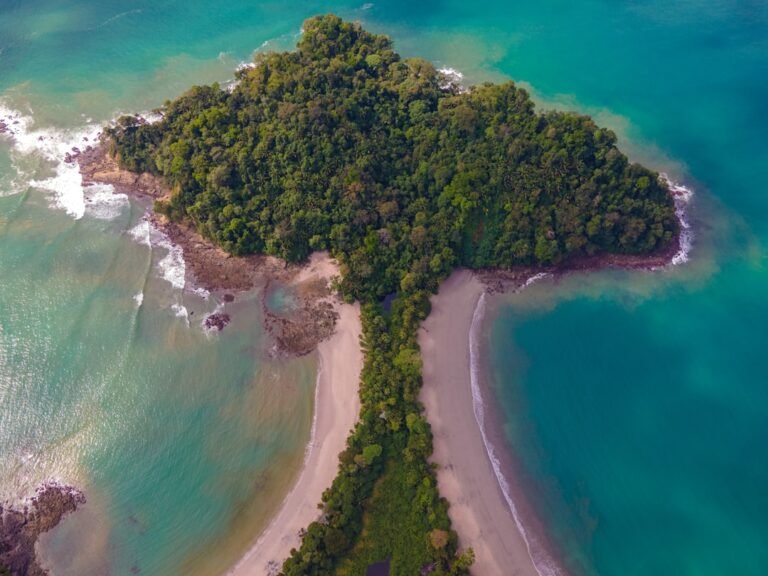
Costa Rica’s Caribbean coast offers communities shaped by Afro-Caribbean heritage, local food and access to beaches and rainforest. Puerto Viejo, Cahuita and Tortuguero differ in transport, services and everyday practicalities; investigate each as a potential home rather than treating the coast as a single lifestyle.
Key Areas on the Caribbean Coast
Puerto Viejo de Talamanca
Puerto Viejo is the Caribbean Coast’s most popular destination — a colourful, laid-back beach town with a strong bohemian vibe. The town and its surrounding villages (Cahuita, Manzanillo, Punta Uva) are known for stunning beaches, excellent snorkelling and diving, and a vibrant mix of Tico, Afro-Caribbean, and international cultures. A small but growing expat community has taken root here, with different reasons for choosing the area; compare current properties and services for your own needs.
Best for: Adventurous retirees, nature lovers, divers, and those seeking a smaller coastal-community setting.
Cahuita
Cahuita is a quieter, smaller alternative to Puerto Viejo, centred around the stunning Cahuita National Park — one of Costa Rica’s best coral reef systems. The town has a relaxed, friendly atmosphere and is popular with retirees who want peace, nature, and a slower pace without complete isolation.
Tortuguero
Tortuguero is accessible only by boat or small plane — a true jungle paradise on the northern Caribbean coast. Famous for its sea turtle nesting season and canal network, it is more of a destination than a retirement base, but it illustrates the extraordinary natural wealth of this coastline.
Plan the final connection: The Tourism Board’s sector-specific Tortuguero access directions distinguish the Cuatro Esquinas approach via La Pavona from the Jalova approach via Caño Blanco. Confirm your accommodation’s actual arrival point, onward boat, luggage arrangements and return connection with the operator. Park directions and a published timetable do not confirm a transfer to your lodging.
Climate on the Caribbean Coast
The Caribbean Coast has a different climate pattern from the rest of Costa Rica. It receives rainfall year-round (there is no true dry season), which keeps the landscape lush and green. Temperatures are warm and humid, typically between 22°C and 30°C (72°F–86°F).
Rainfall patterns differ from the Pacific coast and vary along the Caribbean. Check local rainfall records and forecasts for your town and intended season; no month guarantees dry travel days. Inspect ventilation, moisture and drainage in the actual home.
Cost of Living on the Caribbean Coast
Do not assume the Caribbean coast is cheaper than the Pacific or Central Valley for your household. Compare rental quotes for equivalent homes and dates, utilities, everyday transport and access to care. Use the cost-of-living scenarios to organize the comparison, replacing estimates with current quotes.
Healthcare on the Caribbean Coast
Map the local clinic, emergency facility and required specialists before selecting a home. Ask the provider where referrals or transfers go and whether your ongoing treatment is available. Do not use fixed regional driving times to Limón or San José as an emergency plan. Call 911 for an emergency and follow the treating team’s advice about any transfer. Check your CCSS entitlement and clinic registration separately from private coverage.
Is the Caribbean Coast Right for You?
Consider the Caribbean coast if its communities, food, nature and coastal setting appeal to you. Test routine shopping, transport, internet and the services you would use. Frequent specialist treatment requires an individual access plan before choosing a home; it is not a question a regional label can settle.
For a more developed expat experience, consider the Pacific Coast or the Central Valley.
Explore More
- Costa Rica Residency Options
- Healthcare in Costa Rica
- Cost of Living Guide
- Free Relocation Checklist
- Ask Ken a Question
See also: Costa Rica real estate services.
Inspect everyday living conditions
Ask about ventilation, moisture, water arrangements, internet and the route to routine services. Record who handles repairs and how you would travel if your usual option were unavailable. Compare the written answers with the rental-viewing checklist.
Free Costa Rica Planning Kit
Make your scouting trip answer the questions that matter.
Two-Base Scouting Record
- Record each base’s conditions, quotes and everyday routines.
- Compare two bases using the same observation prompts.
- Record observations and follow-up actions before choosing a home.
Regional Budget & Cost-of-Living Worksheet
- Compare three regions using your own current quotes.
- Separate monthly costs, moving expenses and reserves.
- Track source dates and test a higher-cost scenario.
Download the PDFs and CSV templates now
Optional: enter your email to request the same resources. Your email is recorded privately for this request; this does not enroll you in marketing emails.
Prefer not to enter an email? Open the download hub. Privacy policy. Planning tools, not individual professional advice.
Continue with these planning guides

Cost of Living in Costa Rica 2026: Monthly Budgets, Rent and Healthcare
What does it cost to live in Costa Rica? Compare 5 sample budgets for singles and couples, with rent, healthcare and costs to check before moving.

Renting vs. Buying in Costa Rica: Which Makes Sense for Retirees?
Compare renting versus buying in Costa Rica for retirees, including first-year strategy, legal risks, lifestyle testing, and when ownership may make sense.
Costa Rica Exploratory Trip Itinerary: 14 Days To Compare Regions
Plan a 14-day Costa Rica exploratory trip to compare regions, costs, healthcare access, transportation, climate, and everyday lifestyle before relocating.