
Make a working note: Prepare one residency question
Costa Rica Residency
Your Path to Legal Residence in Paradise
Independent planning resource · Verify changing requirements with primary sources
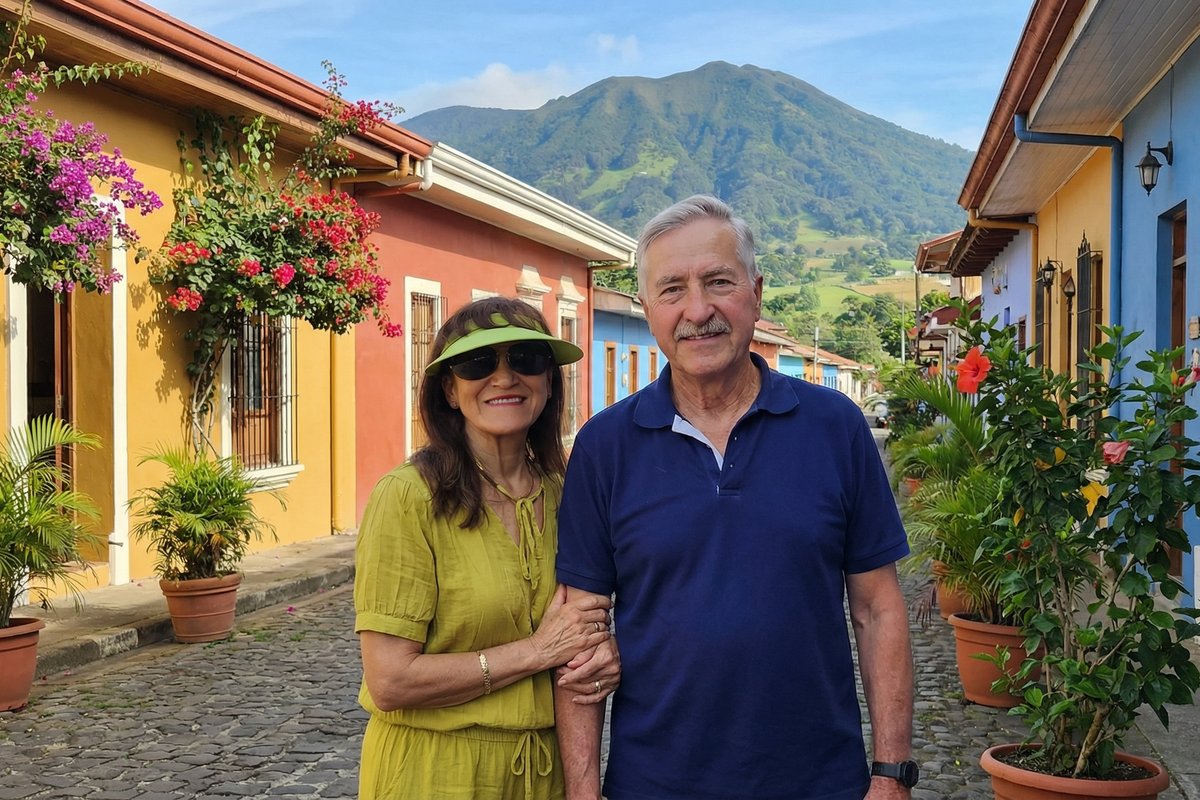
- Pensionado: Often the first route retirees research when they have qualifying pension income.
- Rentista: Income-based option for people without pension income.
- Inversionista: Investor pathway that may fit some property or business buyers.
In this guide
Residency Options for Retirees
Use the residency options below to identify questions for your own application. Open DGME’s official regularization guidance, then confirm which evidence and process apply with the responsible office or your qualified immigration adviser. A category summary is not an approval, and preparing a move does not establish permission to live or work in Costa Rica.
Pensionado (Retiree) Residency
A route for retirees with evidence of a qualifying permanent, stable pension of at least US$1,000 per month. Savings or discretionary retirement-account withdrawals are not automatically equivalent to a qualifying pension. Confirm the required evidence for your application.
- Legal residency status in Costa Rica
- Access to the public healthcare system (Caja)
- Customs benefits require separate eligibility and approval checks; do not assume residence automatically makes a shipment duty-free
- Path to permanent residency after three years
- Ask each transport, entertainment or utility provider whether you qualify for a discount and which identification or other conditions it requires.
Rentista (Income-Based) Residency
For those with stable income that is not a pension, or with savings they can commit. You must show either a guaranteed, unearned income of at least US$2,500 per month for two years, or the common alternative: a deposit of US$60,000 (24 months × $2,500) in a Costa Rican bank, drawn down monthly. Rentista also leads to permanent residency after three years as a temporary resident. It suits early retirees, people living on investment income, and anyone whose pension does not meet the Pensionado definition of lifetime income.
Inversionista (Investor) Residency
For those making a significant investment in Costa Rica. Requires a minimum investment of $150,000 USD in real estate, business, or approved projects. An eligible investment can support a temporary investor-residence application; approval is not automatic. Paid activities for temporary residents depend on authorization for their status under Migration Law 8764, article 80.
The Four Routes at a Glance
Thresholds below are the figures published by the Dirección General de Migración y Extranjería (DGME) and current as of mid-2026; confirm them on the DGME site before filing, because the amounts and the proof accepted change.
| Route | Financial requirement | Who it suits | Work allowed? | Path to permanent residency |
|---|---|---|---|---|
| Pensionado | Lifetime pension of at least US$1,000/month (Social Security, CPP/OAS, employer or government pension) | Retirees with a guaranteed pension | No employment; owning a business is permitted | After three years as a temporary resident |
| Rentista | US$2,500/month guaranteed unearned income for two years, or a US$60,000 bank deposit | Early retirees, investment income, savers | No employment; business ownership permitted | After three years |
| Inversionista | US$150,000 invested in real estate, a business, or approved instruments | Property or business buyers | No employment; may run the invested business | After three years |
| Digital Nomad (Estancia) | US$3,000/month remote income (US$4,000 with dependants); one year, renewable once | People still working remotely for a foreign employer or clients | Remote work for foreign clients only | Does not count toward permanent residency |
Two points that surprise many applicants. First, every temporary resident must enrol in and pay monthly contributions to the CCSS (the Caja); it is a condition of the residency, not an option, and the contribution is calculated as a percentage of your declared income. Second, tourist entries for US and Canadian passport holders can be granted for up to 180 days, but the length is at the discretion of the entry officer and repeated “perpetual tourism” is not a residency strategy. Our visa options guide covers the legal basis for each route and the documents behind the table.
The Residency Application Process
Before ordering documents, read Roger Petersen’s interview on getting a Costa Rica residency application in the right order. He explains document timing, filing preparation and the steps after approval, with processing examples identified as his practice’s experience.
Applying for Costa Rican residency involves several steps. Processing time varies by category, document quality, appointment availability, DGME review, and post-approval requirements.
1. Gather Documents
Use the current checklist for your exact category and each applicant. Confirm which civil-status records, background checks, financial evidence and passport copies are required, which need authentication, and which need an official Spanish translation. Coordinate time-sensitive certificates with the intended filing date.
2. Submit Your Application
File your application with Costa Rica’s immigration department (DGME). Most applicants work with a local attorney to ensure all paperwork is correct and complete.
3. Wait for Approval
Processing time varies widely by category, document quality, appointment availability, DGME review, and post-approval steps. Treat quoted timelines as planning estimates, not guarantees. Read our realistic residency timeline guide and confirm current status and travel rules with DGME or a qualified Costa Rican immigration professional while an application is pending.
4. Receive Residency Card
After approval, confirm any remaining registration, payment and document-issuance steps for your category. Ask when and how your DIMEX residence document will be issued; the approval decision and having the document in hand are separate stages. Check eligibility for each benefit or service separately.
Important Considerations
- Legal Assistance: Most expats hire an immigration attorney to navigate the process smoothly
- Costs: Ask for a written, itemized estimate separating professional services, government charges and any translation, authentication or delivery costs. Confirm what is included and what could require an additional fee.
- Renewal: Follow the validity period and renewal requirements in your approval and DIMEX documents, including continuing category requirements and CCSS affiliation; not every temporary category renews annually
- Presence and absence conditions: Ask which conditions apply to your exact category and renewal stage, and confirm the current official requirements before planning extended travel outside Costa Rica.
- Healthcare: Residents must contribute to the Caja (public healthcare system)
- Cross-border planning: If you expect to maintain ties in more than one country, review our dual-residency and tax-planning guide and seek professional advice for your circumstances.
Frequently Asked Questions
What is the easiest Costa Rica residency option for retirees?
Pensionado is often the first option retirees review if they have qualifying pension income, but eligibility depends on current rules and documentation.
Can I start with tourist stays before applying?
Many people test Costa Rica with tourist stays first, but long-term living and legal residency require careful immigration planning.
Should I use an immigration attorney?
For most applicants, a qualified Costa Rican immigration professional can help reduce document mistakes, timing issues, and avoidable delays.
Prepare one residency question
Leave with one recorded question, the evidence you have and a next action. Unknown is a useful answer; a completed note does not confirm eligibility, suitability or an arrangement.
Fictional example: I have a general document list, but no confirmation of the format accepted by my chosen office. Next: request that office’s current instructions before paying for preparation.
Write and download a working note
Keep entries general. Do not enter account numbers, identification numbers, health details, phone numbers or access codes. Use private records and the recipient’s agreed channel for sensitive information.
Off by default. Without saving, entries disappear on reload. Saved notes can be seen by anyone using this browser profile. Download for use elsewhere. This note has no submission button; ordinary site analytics still apply.
Download your notes before leaving.
Clear these entries and their saved copy in this browser?
Earlier source-review context
Free Costa Rica Planning Kit
Make your scouting trip answer the questions that matter.
Two-Base Scouting Record
- Record each base’s conditions, quotes and everyday routines.
- Compare two bases using the same observation prompts.
- Record observations and follow-up actions before choosing a home.
Regional Budget & Cost-of-Living Worksheet
- Compare three regions using your own current quotes.
- Separate monthly costs, moving expenses and reserves.
- Track source dates and test a higher-cost scenario.
Download the PDFs and CSV templates now
Optional: enter your email to request the same resources. Your email is recorded privately for this request; this does not enroll you in marketing emails.
Prefer not to enter an email? Open the download hub. Privacy policy. Planning tools, not individual professional advice.
Continue with these planning guides
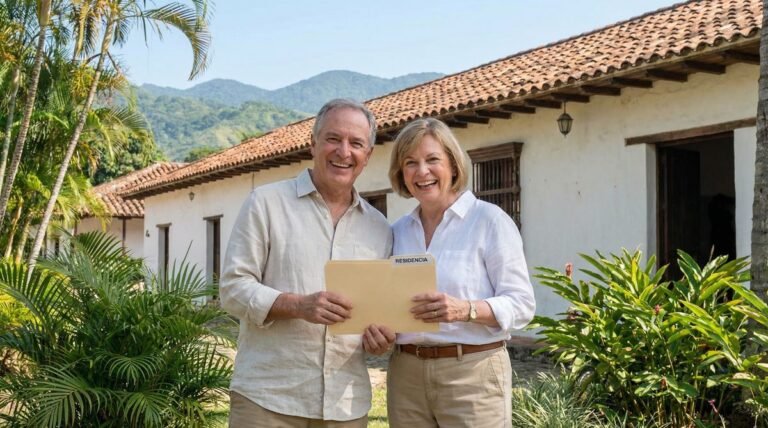
Costa Rica Visa Options for Expats: Pensionado, Rentista, Investment & Digital Nomad
Compare Costa Rica residency and visa options for 2026, including Pensionado, Rentista, Inversionista and Digital Nomad income requirements and timelines.

Cost of Living in Costa Rica 2026: Monthly Budgets, Rent and Healthcare
What does it cost to live in Costa Rica? Compare 5 sample budgets for singles and couples, with rent, healthcare and costs to check before moving.
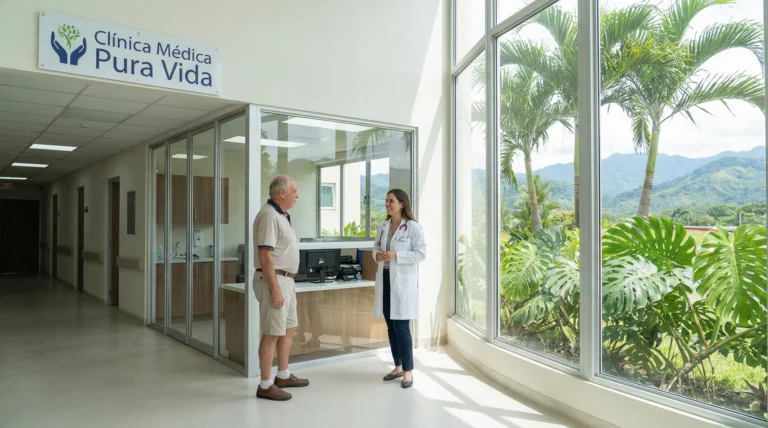
Healthcare
Compare Costa Rica’s Caja system, private care, insurance options, regional access and likely costs when planning healthcare as an expat.